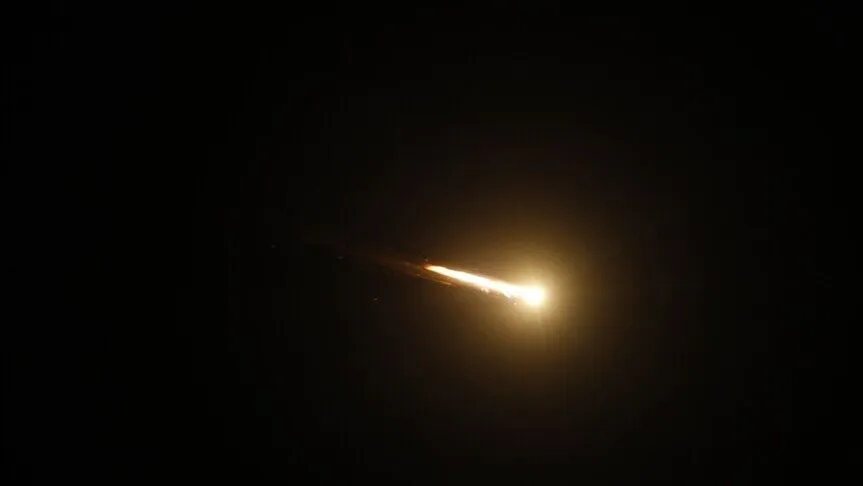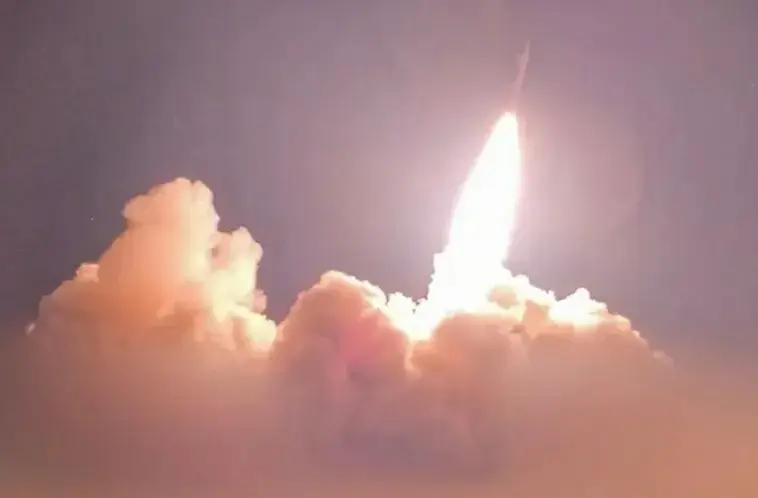
The United States stated it has no information regarding missile launches toward its bases in Jordan, according to a senior US official who spoke to Israel’s Channel 12. This assertion comes despite earlier reports from Jordan concerning Iranian ballistic missiles. A senior US official specifically told Israel’s Channel 12 that Washington had no information indicating missiles were launched toward US bases in Jordan. This official clarification from Washington directly addressed the swirling reports of military activity in the region. Anadolu Ajansı reported that Jordan had previously stated 13 Iranian ballistic missiles entered the kingdom’s airspace on September 2. Of those, 10 were intercepted by Jordanian defenses. The remaining three missiles reportedly fell in remote areas of Jordan, causing no casualties. The US official's statement to Channel 12 directly addressed the lack of intelligence on any missile activity targeting American installations in the country, firmly denying any such incidents.
Conflicting Reports Emerge
Israel-based reports circulating on social media and in some news outlets claimed that missiles had specifically targeted United States military bases located in Jordan. These reports generated significant discussion and concern across various platforms. Concurrently, other Arab media outlets reported that Iranian missiles were intercepted over Jordanian airspace, without explicitly linking them to US installations. These differing accounts showed the complexity of verifying information in a rapidly evolving regional situation. The initial reports from various sources created a fragmented picture, making it challenging to ascertain the precise nature and targets of the alleged missile activities.
Further complicating the situation, Kuwait’s ministry of defence issued a statement asserting that its air defences had successfully intercepted missile and drone attacks. The ministry characterized these incidents as part of a “blatant Iranian aggression.” The statement from Kuwait did not specify the targets of these intercepted attacks but confirmed defensive actions were taken against incoming projectiles. This declaration from Kuwait added another layer to the regional narrative, noting concerns about broader Iranian military actions. The Kuwaiti ministry’s emphasis on "blatant Iranian aggression" suggested a perceived escalation of tensions in the Gulf region.
In a separate development, unrelated to the reported missile activities, the temporary permission for Bank Melli’s London operation is set to expire on October 22. This detail emerged amidst broader discussions of regional activities and economic pressures, though its direct connection to the reported military events was not immediately clear. The impending expiration of Bank Melli's operating license in London hints at ongoing financial pressures impacting Iranian entities globally, even as military events unfold. The diverse reports from various regional sources have contributed to an unclear picture regarding the scope and targets of any recent missile or drone incidents, leading to widespread speculation and official denials.
Broader Regional Context
A U.S. Official confirmed that no military facilities in the Middle East where Americans are based were impacted, despite Iran’s claim that it targeted U.S. Forces in Kuwait and the United Arab Emirates. This denial followed reports from The Guardian that Iran’s military had indeed targeted U.S. Bases in both the United Arab Emirates and Kuwait. The Guardian's report specifically detailed claims of Iranian military actions against these American installations, adding to the conflicting narratives. The Institute for the Study of War (ISW) reported that the Iranian Artesh conducted a missile and drone attack on September 3, specifically targeting U.S. Bases in Kuwait and the United Arab Emirates. The ISW, in conjunction with the Critical Threats Project (CTP), detailed that the Artesh claimed to have targeted satellite communications systems, equipment warehouses, and fighter aircraft hangars at Ahmad al Jaber Air Base in Kuwait. Additionally, the Artesh asserted it struck troop positions and radar installations at al Minhad Air Base in the UAE. These claims from the Artesh, as documented by ISW-CTP, provided specific alleged targets and capabilities used in the September 3 attacks, painting a picture of deliberate and sophisticated targeting.
Regarding the Iranian claims, the Institute for the Study of War stated, "An unspecified US defense official told anti-regime media on September 3 that the Iranian strikes did not impact any US bases." This further reinforced the U.S. Position that its installations remained unaffected, directly contradicting the Iranian narrative. The narrative surrounding these alleged strikes was analyzed by 13 different outlets, reflecting the widespread attention and varying interpretations of the events across international media. Amidst these developments, Treasury Secretary Scott Bessent announced Operation Economic Outcast on August 24, a separate initiative contributing to the broader regional context, though its direct connection to the reported military incidents was not specified in the available information. Operation Economic Outcast signals a continued strategy of financial pressure against certain entities, running parallel to the military posturing and denials.
Official Statements and Reactions
The United States reiterated that there is no evidence of missiles having targeted its bases in Jordan. This consistent denial from U.S. Officials aimed to quell speculation and provide a clear stance on the alleged attacks. The Morning Call reported that Jordan's alliance with the US has positioned the kingdom as "a target for repeat Iranian strikes." This perspective from The Morning Call notes the perceived risks for Jordan due to its strategic partnership with the United States in a volatile region. Separately, Vice President JD Vance expressed extreme skepticism regarding claims that the U.S. Had struck a wedding party during its operations against Iran. Vice President Vance's strong dismissal of these claims showed the U.S. Government's efforts to control the narrative around its military actions and avoid accusations of civilian casualties.
President Donald Trump commented on recent military actions, stating, "It was a very heavy attack last night, and we’re prepared to do another one any time we want." This assertive statement from President Trump conveyed a readiness for further military engagement, signaling a firm posture in response to regional tensions. Meanwhile, Israel’s defence minister, Israel Katz, issued a warning that mounting economic pressures could prompt Tehran to resort to more "extreme measures." Minister Katz's statement linked economic sanctions to potential Iranian escalation, suggesting a direct correlation between financial strain and military actions. In a related development concerning economic pressure, Treasury Secretary Scott Bessent asserted that Bank Melli’s foreign branches “must be shuttered and dark.” Secretary Bessent’s directive regarding Bank Melli’s operations shows the ongoing financial campaign aimed at isolating Iranian institutions, further illustrating the multifaceted pressures being applied to Iran.