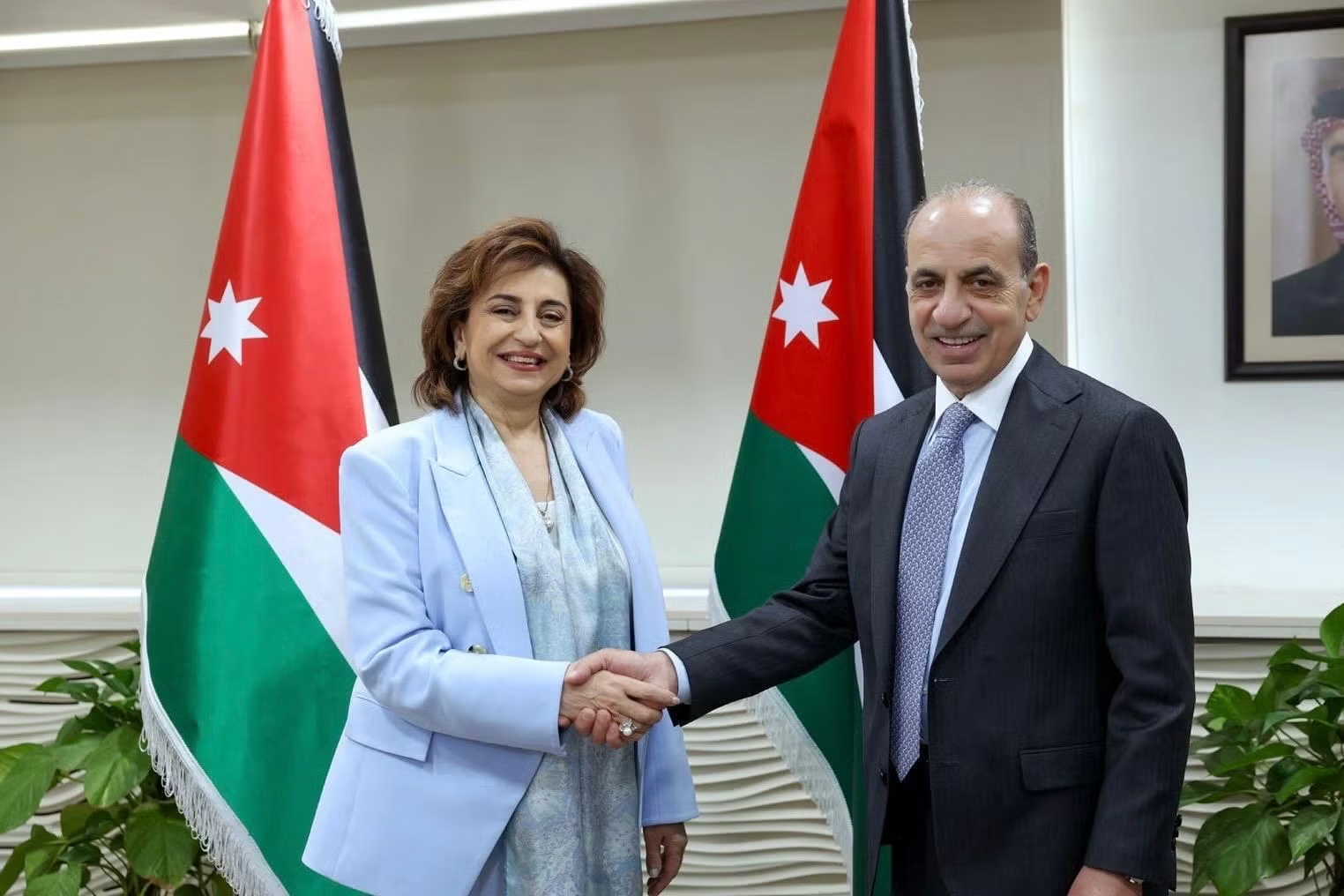
United Nations Under-Secretary-General and UN Women Executive Director Sima Bahous concluded a three-day visit to Jordan, focusing on enhancing women's roles in the country. Her visit centered on advancing women’s economic empowerment and political participation. It also aimed to support the implementation of Jordan’s Political, Economic, and Public Sector Modernization Vision, according to UN Women. The overarching goal of the visit was to reinforce UN Women's commitment to gender equality in the Kingdom. The discussions during the visit addressed strategies for integrating women more fully into national development efforts and ensuring their active participation in the country's modernization agenda. This focus shows the critical role women play in driving sustainable progress and societal advancement.
High-Level Engagements and Policy Discussions
Sima Bahous held several high-level meetings during her visit to Jordan, engaging with key government officials and parliamentary leaders. She met with H.E. Walid Masri, Deputy Prime Minister and Minister of Local Administration, to discuss collaborative initiatives aimed at strengthening local governance and women's roles within it. These discussions explored avenues for greater synergy between national development goals and local administrative efforts. Bahous also engaged with H.E. Wafa Bani Mustafa, Minister of Social Development and Chair of the Inter-Ministerial Committee for Women’s Empowerment. This important meeting included other committee members, specifically the Ministers of Labour, Transport, Education, Health, Youth, and Environment, as well as the Minister of State for Foreign Affairs, focusing on integrated approaches to women's empowerment across various sectors. The breadth of ministerial representation noted a full government commitment to mainstreaming gender equality.
Further discussions took place with H.E. Abdullah Nsour, Deputy Speaker of the Senate, alongside members of the Senate’s Women’s Committee. This engagement provided an opportunity to delve into legislative frameworks and policy support for women's rights. Bahous later met with H.E. Mazen Al-Qadi, Speaker of the House of Representatives, accompanied by parliamentary committee chairs, to address legislative aspects of gender equality and the ongoing efforts to reform laws impacting women. Her engagements also included a meeting with H.E. Dima Jweihan, Acting Secretary-General of the Jordanian National Commission for Women, to coordinate efforts on national women's strategies and ensure alignment with international best practices. These high-level dialogues emphasized the importance of a multi-sectoral approach to achieving gender equality and women's empowerment in Jordan.
Advancing Women's Political Participation
Jordan has taken significant steps to advance women's political representation through recent legislative reforms. The new Local Administration Law mandates that women must hold at least 30 percent of the seats on municipal and governorate councils. This provision aims to increase women's participation in local governance across the country, ensuring their voices are heard in decision-making processes at the grassroots level. The measure reflects a commitment to enhancing female leadership roles and decision-making at the regional level, fostering more inclusive and representative local administrations. Such legal frameworks are critical in supporting broader efforts to integrate women more fully into the political landscape. By establishing a minimum quota, the law seeks to ensure a more equitable distribution of power and influence within local administrative bodies, contributing to the nation's overall modernization goals and promoting democratic principles. This commitment to quotas is a tangible step towards achieving gender parity in political spheres.
Boosting Economic Empowerment and Leadership
Women constitute approximately 30 percent of Jordan’s Information and Communications Technology (ICT) workforce, yet only 21 percent hold leadership positions within the sector, according to data from the Information and Communications Technology Association of Jordan. This disparity notes ongoing challenges in advancing women to senior roles despite their significant presence in the industry. Addressing this, Ms. Bahous met with women developers at Maysalward Games, a Jordanian mobile-game developer that has committed to the Women’s Empowerment Principles. This visit showed the potential for growth and leadership among women in innovative sectors. Jordan leads the Arab region in the adoption of these principles, with nearly 300 signatory companies. These companies collectively represent over 100,000 employees, signifying a broad commitment across the Jordanian private sector to gender equality and women's economic participation. This widespread adoption demonstrates a growing recognition among businesses of the benefits of empowering women in the workplace, fostering an environment conducive to their professional advancement and leadership.