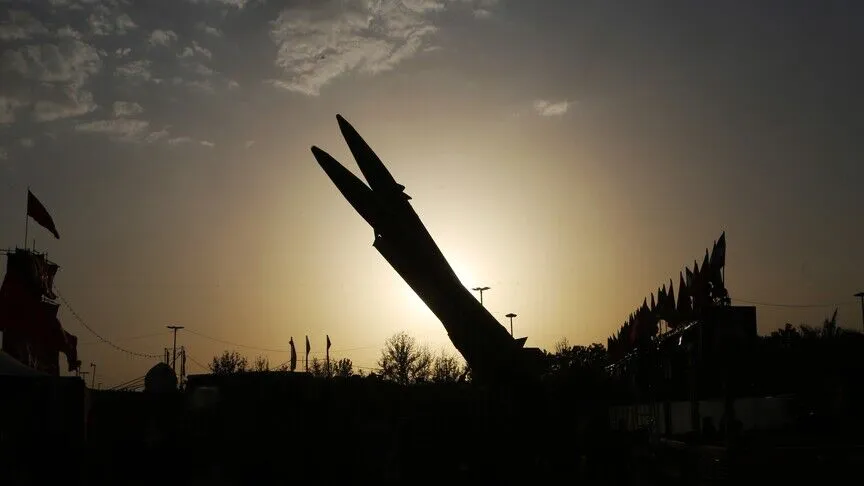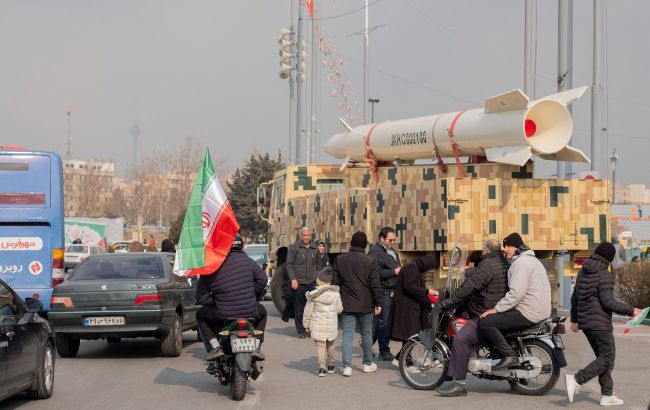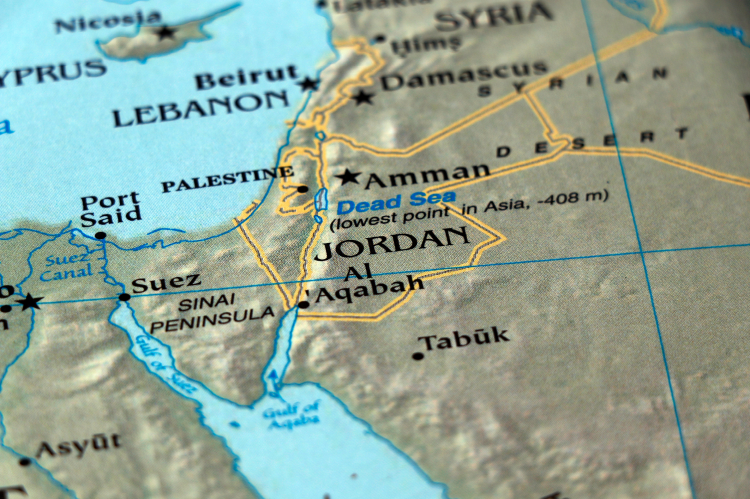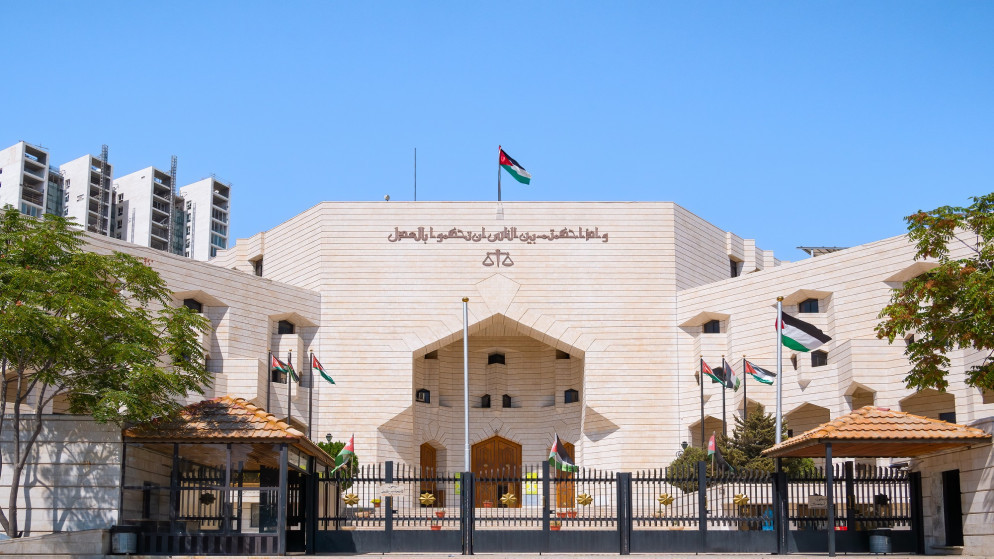
The U.S.-Iran war commenced on February 28, marking a significant escalation in regional tensions. This date initiated a new phase of direct military confrontation between the two nations, following a period of heightened geopolitical friction. Following the initial conflict, Iran retaliated by launching missile and drone strikes against U.S. Bases located in Jordan and the United Arab Emirates. These aggressive actions by Iran demonstrated a clear intent to respond to U.S. Military operations, further escalating the volatile situation. These actions have further destabilized the West Asian region, impacting global trade routes and influencing U.S. Politics as the conflict enters its sixth month. The protracted nature of the hostilities has drawn international concern regarding regional stability and the broader implications for global security.
Escalation and Retaliation
The conflict's early stages saw direct engagements and retaliatory measures. U.S. Forces struck two Islamic Revolutionary Guard Corps (IRGC) rocket launchers on Larak Island following a mine threat in the Strait of Hormuz. This pre-emptive strike by U.S. Forces aimed to neutralize potential threats to maritime navigation in the critical waterway. Concurrently, a drone also attacked Larek Island in the Strait of Hormuz during heightened tensions, showing the widespread nature of aerial surveillance and attacks in the conflict zone. Iran subsequently responded with a wave of strikes targeting U.S. Bases in the region, demonstrating its capacity for rapid and widespread retaliation. The Revolutionary Guard confirmed there were "martyrs and wounded" among its fighters as a result of an attack by the "American-Zionist enemy," as reported by ABC News. This statement noted the human cost of the conflict from the Iranian perspective and framed the U.S. Actions within a broader ideological narrative. The opening days of the conflict included a deadly airstrike on an all-girls school in southern Iran, which killed roughly 160 civilians, 120 of them schoolchildren, according to ABC News. This incident drew international condemnation and brought into sharp focus the devastating impact of the war on civilian populations. The tragic loss of life, particularly among children, showed the severe humanitarian consequences of the ongoing hostilities.
Economic and Military Impact
The navigation through the Strait of Hormuz remains highly disrupted as the conflict continues. This disruption has contributed to a significant increase in global oil prices, which are up about 25% since the war began. The volatility in the Strait, a key chokepoint for global oil shipments, has sent ripples through international energy markets. As a direct consequence, the average gallon of gas nationwide now hovers over $4, placing an additional financial strain on American consumers. The sustained increase in fuel costs has had a tangible impact on household budgets across the country. The average American has spent nearly $700 more in fuel prices over the course of the war, reflecting the direct economic burden of the conflict on ordinary citizens.
The United States Central Command (CENTCOM) has been actively enforcing a blockade in the region to control maritime traffic and prevent the flow of illicit goods or military supplies. "As of August 30, CENTCOM forces have diverted 83 commercial ships, rendered three inoperable, and boarded two to ensure compliance with the blockade," CENTCOM reported via ABC News. These actions illustrate the extensive naval operations undertaken by U.S. Forces to maintain control and enforce sanctions in the strategic waterways. The financial burden of the conflict on the United States taxpayer has been substantial, exceeding $37.5 billion. This figure represents the direct costs associated with military operations, deployments, and logistical support. In response to ongoing military needs, the Defense Department is asking Congress for an additional $67.1 billion, signaling the anticipated continuation of high expenditures. Militarily, the U.S. Has lost 42 military aircraft during the conflict, a significant attrition rate that notes the intensity and risks involved in aerial operations. These losses show the operational challenges faced by U.S. Forces in the contested airspace.
Political Fallout and Outlook
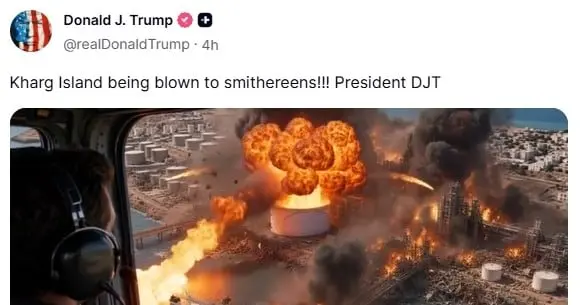
As the U.S.-Iran conflict entered its sixth month, the United States conducted air strikes targeting Iranian missile launch platforms located on Kharg Island. This operation demonstrated the U.S.'s continued capability and willingness to strike key Iranian military infrastructure. Domestically, the ongoing war has impacted public opinion regarding U.S. Leadership. Trump’s approval rating has declined from 40% to 33% since the conflict began, according to عاجل. This significant drop suggests that the prolonged military engagement and its associated costs are eroding public confidence in the current administration. The protracted nature of the conflict has also raised questions about its resolution, both within the U.S. And internationally. Reuters reported that there is "no clear path to end the conflict," indicating the challenges in finding a diplomatic or military conclusion. This assessment reflects the complex geopolitical landscape and the entrenched positions of the belligerents. The sustained military engagements and their political repercussions continue to shape the U.S. Domestic landscape, influencing public discourse and policy debates as the nation grapples with the long-term implications of the war.