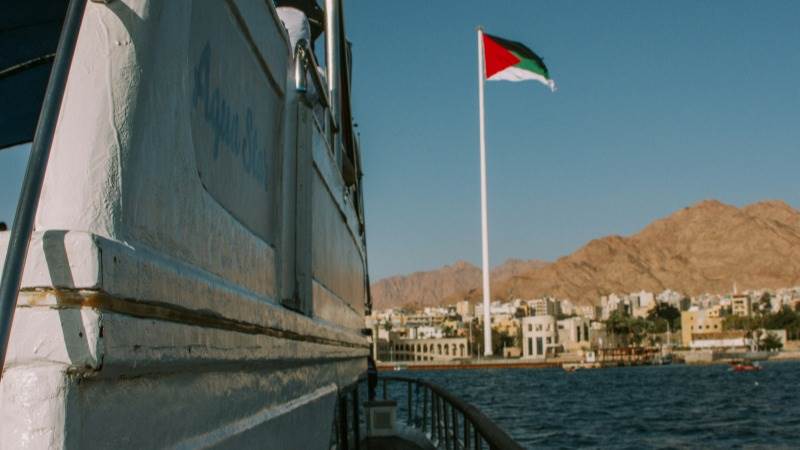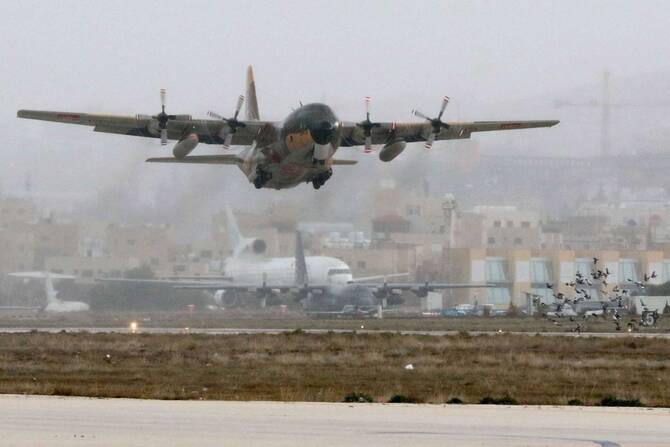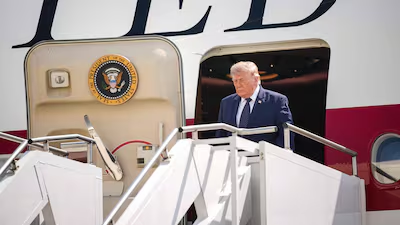
Two American troops were killed in an Iranian attack on Jordan, prompting former US President Donald Trump to call for increased sanctions against Iran. The incident, which also left several American service members injured and one missing, has intensified calls for a strong response from Washington. Mr. Trump posted on Truth Social, stating he wanted the Republican-controlled US Congress to “add Iran to the Russian sanctions bill” in response to recent Iranian strikes. This public statement from the former President shows the growing pressure on lawmakers to address what many perceive as escalating aggression from Tehran. He also commented on the attacks during an interview with the New York Post, asserting that the US mission in Iran would not be affected by these recent developments. During the interview, Donald Trump claimed Iranians attacked Jordan because the kingdom does not “want to see Iran have a nuclear weapon.” This assertion frames the Iranian actions as a direct challenge to regional stability and non-proliferation efforts. Mr. Trump added, "It just shows you how bad [the Iranians] are," reinforcing his stance on the nature of the Iranian regime. The former President's remarks highlight a desire for a firm and punitive response to the attacks, emphasizing the need for legislative action to impose further economic pressure on Iran.
Escalating Regional Strikes
Iran has conducted significant attacks across the Middle East following recent U.S. Strikes, marking a concerning escalation in regional tensions. These operations targeted vital infrastructure, including bridges and power facilities, according to reports, indicating a deliberate strategy to disrupt key services and supply lines. The scale and coordination of these attacks suggest a calculated effort to project power and destabilize areas critical to US interests and its allies. The scope of the Iranian actions extended beyond Jordan, impacting other U.S. Allies in the Gulf region, demonstrating a broader reach and intent. These widespread strikes have raised alarms about the potential for a wider conflict in an already volatile region.
The strikes appeared to specifically target Saudi Arabia, in addition to Jordan, and other US allies in the Gulf. This pattern of targeting multiple nations signals a concerted campaign rather than isolated incidents. The broader pattern of attacks on infrastructure points to a concerted effort to disrupt operations in the region, aiming to inflict economic damage and sow instability. This escalation has drawn attention to the ongoing tensions and the potential for wider conflict in the Middle East, with many observers expressing concern over the trajectory of events. The deliberate targeting of critical infrastructure shows the strategic nature of these Iranian operations, designed to maximize impact and send a clear message to adversaries.
US Response and Casualties
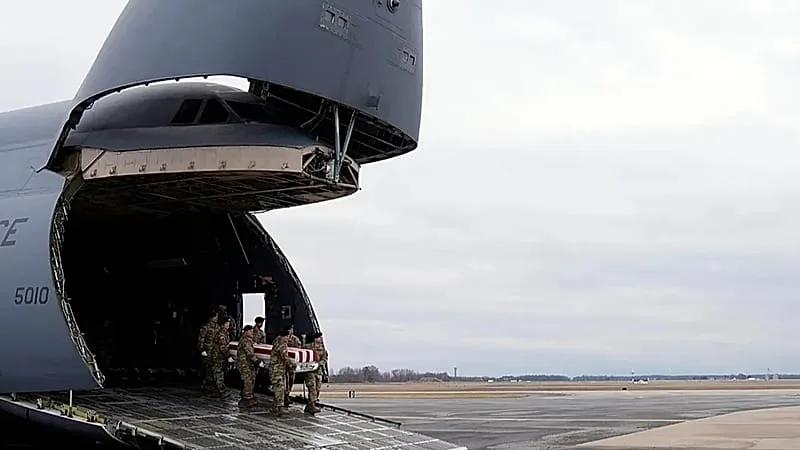
The Iranian attack on Jordan resulted in two US troop deaths, several injuries, and one American soldier who remains missing, a stark reminder of the human cost of these regional confrontations. The loss of life and the unaccounted-for service member have brought renewed focus on the safety and security of US personnel stationed abroad. Casualties among US forces have mounted since February 28, with at least 15 American troops killed during this period, indicating a sustained and dangerous operational environment. Beyond the fatalities, hundreds more American service members have sustained injuries in various incidents, noting the widespread impact on personnel. These injuries range in severity, from minor to life-altering, and contribute to the overall strain on military resources and morale. The rising casualty count shows the increasing risks faced by US forces deployed in the Middle East.
US Energy Secretary Chris Wright addressed the ongoing situation during an appearance on ABC's 'This Week'. Secretary Wright affirmed that the United States' focus would persist on efforts to “degrade the Iranian ability from terrorizing the world.” This statement showed a continued commitment to counter Iranian actions in the region, even as the human cost to American personnel increases. Secretary Wright’s comments reflect the administration's resolve to maintain pressure on Iran despite the challenges. The reported casualties and the missing soldier highlight the direct impact of the recent attack on US forces stationed abroad, bringing the abstract geopolitical tensions into sharp, human focus. The administration's rhetoric suggests a long-term strategy aimed at neutralizing Iran's capacity to project power through proxy groups and direct attacks.
Iranian Leadership Statements
Adding another layer of complexity to the volatile situation, Iran announced it was suspending its commitments under the interim peace deal. This decision by Tehran signals a significant shift in its diplomatic posture and raises questions about the future of any potential de-escalation efforts. Iranian Foreign Ministry spokesman Esmaeil Baghaei accused the United States of seeking control of the Strait of Hormuz, a critical maritime passage. This accusation frames US actions as an imperialistic endeavor rather than a defensive measure. Approximately one-fifth of the world's oil supply typically flows through the Strait of Hormuz, making its control a significant geopolitical concern and a flashpoint for international tensions. The Strait's strategic importance amplifies the implications of any perceived threat to its free passage.
Ayatollah Mojtaba Khamenei, the country’s supreme leader, issued a written statement on Saturday regarding US actions. In his statement, Ayatollah Khamenei asserted that US breaches of the interim deal "have once again proven to everyone the truth of how worthless and invalid the signature of the US President is." This strong condemnation from the highest authority in Iran further complicates prospects for dialogue and resolution. The supreme leader's words resonate deeply within Iran and among its allies, shaping public opinion and policy. Ayatollah Mojtaba Khamenei has not been seen publicly since sustaining injuries in attacks that resulted in the deaths of his father and predecessor, Ayatollah Ali Khamenei, along with other family members. This personal tragedy and his subsequent absence from public view add a layer of intrigue and uncertainty around his recent pronouncements. Thousands of people have been killed in Iran during the ongoing unrest, indicating significant internal turmoil alongside the external conflicts. These internal pressures may also influence the leadership's stance and actions on the international stage.