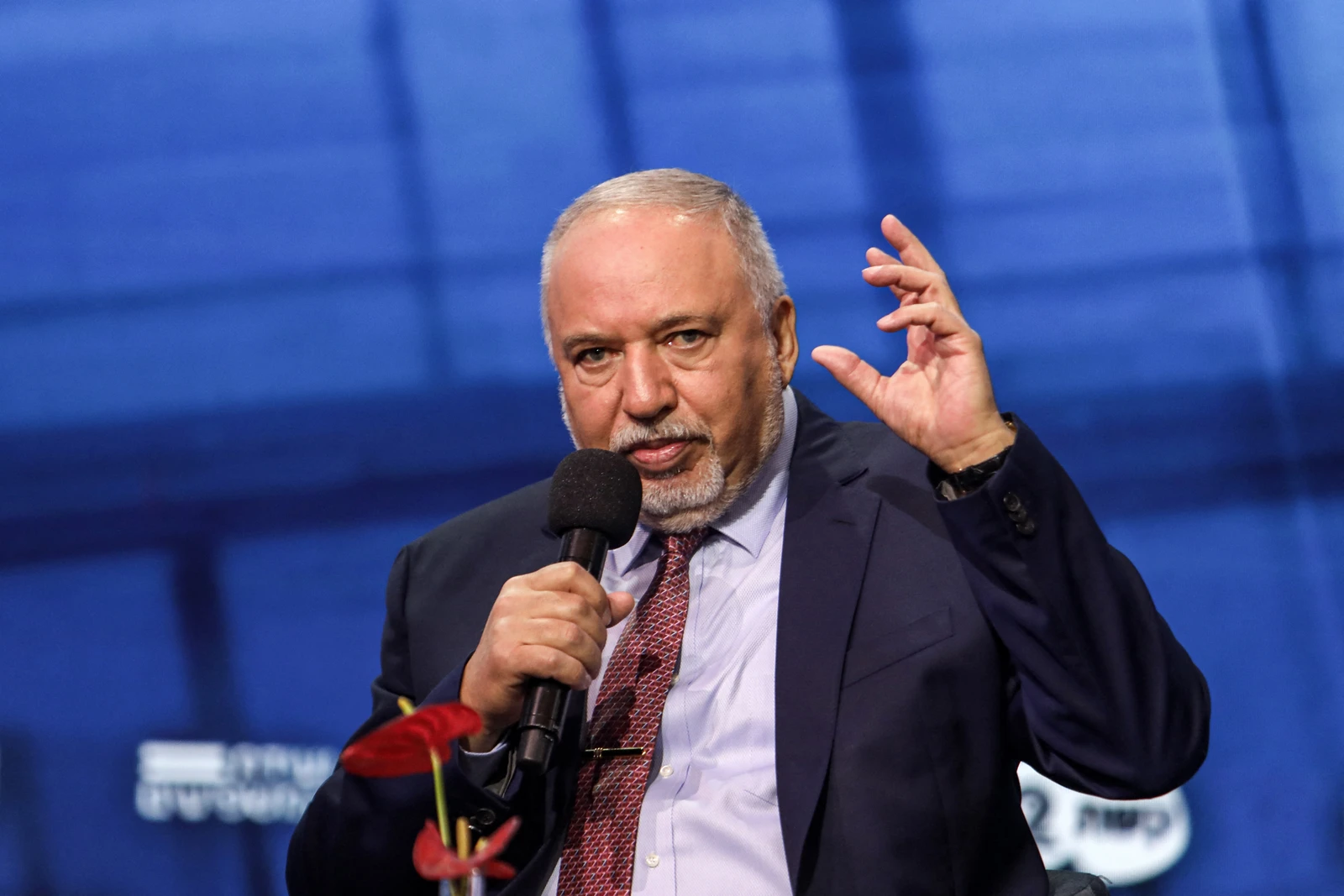
Avigdor Liberman, head of the Yisrael Beiteinu party, formally presented a plan on 4 October 2026 proposing that Jordan assume security and administrative responsibility for West Bank Areas A and B. Known as the 'Jordan option', the proposal seeks to shift governance structures in these territories to the Hashemite Kingdom.
Osama Al-Sharif questioned the viability of the initiative, noting: "The contrast between Liberman’s offer and Allon’s is stark: no sovereignty, no land and Israeli security control over everything." The plan arrives as a formal policy document from the Yisrael Beiteinu party, detailing a transition of authority within the specified zones. The proposal remains a point of discussion regarding the future administrative status of the West Bank and its relationship with regional neighbors.
Dismantling Existing Political Frameworks
Yisrael Beiteinu proposes that the Palestinian Authority be dismantled entirely as part of the transition of administrative control to Jordan. This policy framework requires the formal abrogation of the Oslo Accords to effectively shift governance from the existing Palestinian leadership to the Hashemite Kingdom.
Osama Al-Sharif observed that these structural changes occur alongside ongoing financial pressures placed on the Palestinian government. He stated, "While the settlement building spikes, Israel is adopting measures to defund the PA by withholding tax revenues." These institutional shifts reflect the party’s intent to replace the administrative status quo established by the Oslo Accords with an alternative arrangement involving regional neighbors. The proposal seeks a complete reordering of the political landscape within the West Bank.
Historical Context and Territorial Scope
Jordan held administrative control over the West Bank from 1950 until the 1967 war. Current territorial designations divide the region into distinct zones under existing administrative arrangements. Areas A and B comprise about 40 percent of the West Bank and contain a population of approximately 2.8 million people. Area C accounts for the remaining 60 percent of the territory. This zone includes the majority of Israeli settlements as well as the Jordan Valley. The Yisrael Beiteinu proposal focuses on shifting authority for the populated sectors of Areas A and B back to Jordan. These geographical divisions form the basis for the administrative transition outlined in the party's official policy document regarding the future status of the territory.
Settlement Expansion and Financial Pressures
The Higher Planning Council advanced nearly 10,000 housing units in West Bank settlements as of early September 2026. This expansion of residential infrastructure coincides with the promotion of the Jordan option by the Yisrael Beiteinu party. The party, led by Avigdor Liberman, has integrated this territorial proposal into its broader campaign platform ahead of the upcoming legislative cycle.
Projections regarding the electoral impact of this policy shift indicate potential gains for the party. Polls suggest the Yisrael Beiteinu party could win up to 10 seats in the 27 October 2026 election. These figures reflect current voter sentiment as the organization advocates for the administrative transition of Areas A and B to Jordan. The party remains focused on these electoral outcomes as it seeks to replace the existing governance arrangements within the West Bank.