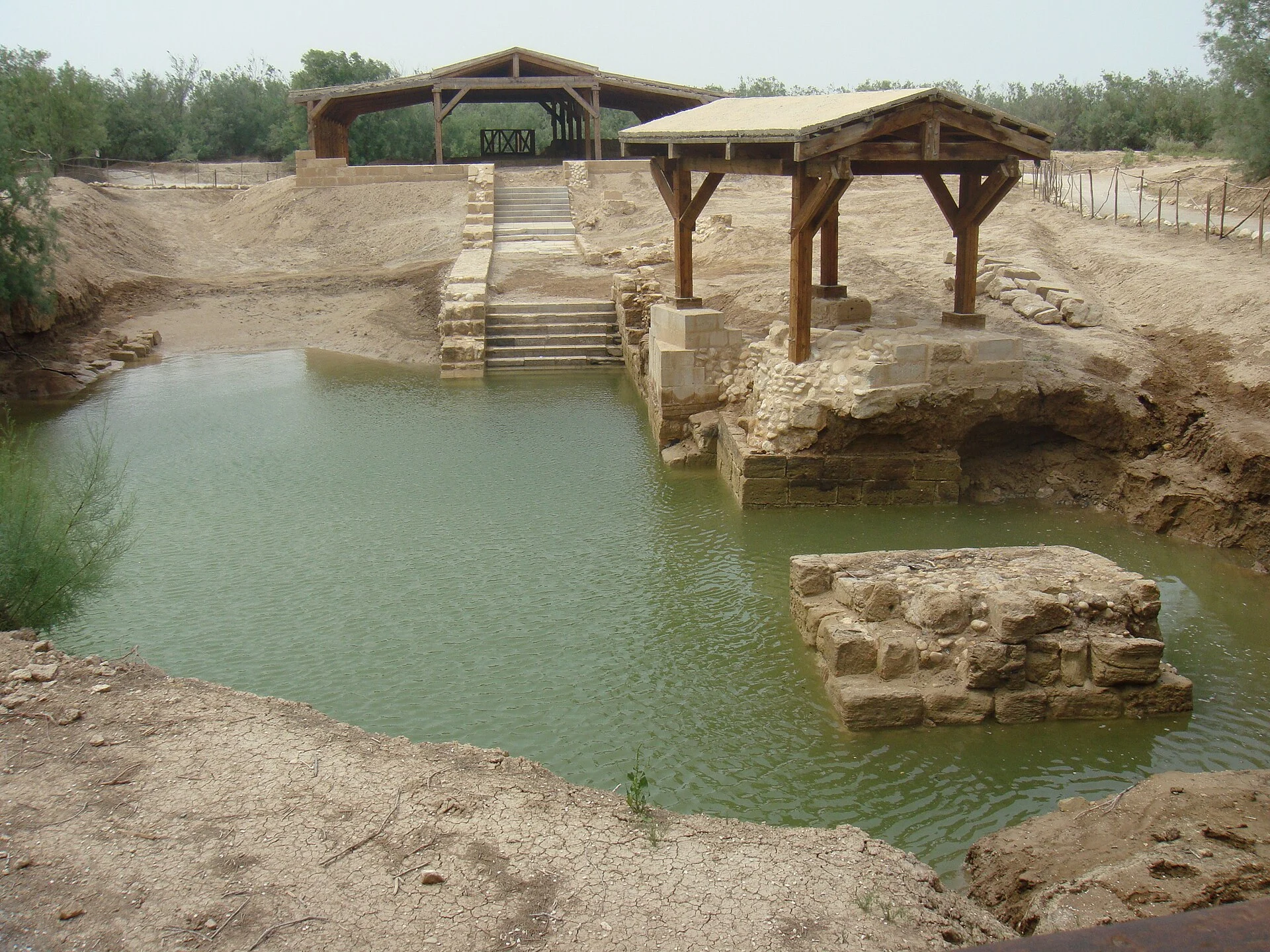
M. Waheeb, a researcher at Hashemite University, published new findings in the Egyptian Journal of Archaeological and Restoration Studies regarding the baptism site of Jesus. The study identifies Al-Maghtas as the location where the event took place. Located in Jordan, the site is also known as Bethany beyond the Jordan. M. Waheeb documented his research to clarify the geographic connection between the Jordan River and the historical accounts of the baptism. These findings provide additional documentation regarding the site's significance. The report outlines specific archaeological evidence supporting the identification of Al-Maghtas as the authentic location. Future investigations may use these data to further explore the area near the Jordan River. M. Waheeb, a researcher at Hashemite University, published findings in the Egyptian Journal of Archaeological and Restoration Studies regarding the baptism site of Jesus, specifically focusing on the physical evidence found within the landscape. The publication of these findings in the Egyptian Journal of Archaeological and Restoration Studies serves to consolidate existing theories regarding the religious geography of the site.
Geographic Location and Excavations
Al-Maghtas occupies a position on the eastern bank of the Jordan River, situated approximately five miles north of the Dead Sea. Al-Maghtas is located on the eastern bank of the Jordan River, approximately five miles north of the Dead Sea. Archaeological excavations performed at the site between 1996 and 2002 revealed a range of ancient structures. These digs uncovered churches, baptismal pools, prayer halls, mosaics, and water systems. Excavations at Al-Maghtas conducted between 1996 and 2002 uncovered churches, baptismal pools, prayer halls, mosaics, and water systems. These physical remnants provide a tangible record of the site's development over centuries of use. UNESCO later granted formal recognition to the location by designating Al-Maghtas as a World Heritage Site in 2015. UNESCO recognized Al-Maghtas as a World Heritage Site in 2015, confirming the global importance of the archaeological work performed at the riverbank.
Historical Records and Pilgrims
The Pilgrim of Bordeaux provided an account of a baptism location situated five miles from the point where the Jordan River enters the Dead Sea in AD 333. The Pilgrim of Bordeaux described a baptism location five miles from the Jordan River's entry into the Dead Sea in AD 333. Two centuries later, Theodosius recorded a description of a baptism site at an identical distance of five miles from the Jordan River’s entry into the Dead Sea in AD 530. Theodosius described a baptism location five miles from the Jordan River's entry into the Dead Sea in AD 530. Records from the Pilgrim of Piacenza later identified the presence of a monastery dedicated to St. John at the site in AD 570. The Pilgrim of Piacenza described a monastery dedicated to St. John at the site in AD 570. These accounts form part of the textual evidence linking the area to early religious pilgrimage and historical activity. Each chronicler documented specific physical landmarks that correspond with the geographic findings identified by researchers at the site. These historical narratives remain central to the ongoing assessment of the location’s long-term significance within the region. The consistency between these ancient descriptions and the modern archaeological findings strengthens the academic consensus regarding the site's identity.