King Abdullah of Jordan and King Hamad of Bahrain spoke on Thursday, discussing regional escalation, as hostilities between Iran and the US resumed this week. The two monarchs held talks concerning the evolving security situation in the Middle East. Their conversation focused on recent developments that have heightened tensions across the region, showing the urgency of addressing the volatile geopolitical landscape.
Regional Tensions Flare
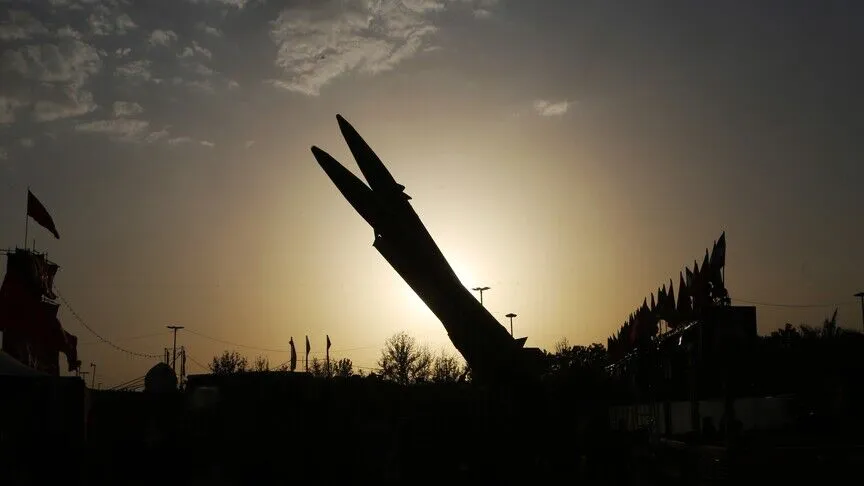
Iran attacked Bahrain and Jordan this week, marking a significant escalation in regional hostilities. This comes as the latest lull in the conflict ended with the US military resuming strikes against Iranian military targets this week. The war began on February 28, with Iran having since targeted multiple nations. Since the onset of the conflict, Iran has also launched attacks against Syria, Iraq, Qatar, Turkiye, Kuwait, Saudi Arabia, Oman, and the UAE, alongside the recent actions in Bahrain and Jordan. These widespread attacks highlight the broad reach of the conflict and its implications for regional stability. The renewed US-Iran hostilities contribute to the volatile security environment in the Middle East, impacting numerous states and their strategic interests.
Diplomatic Efforts for Stability
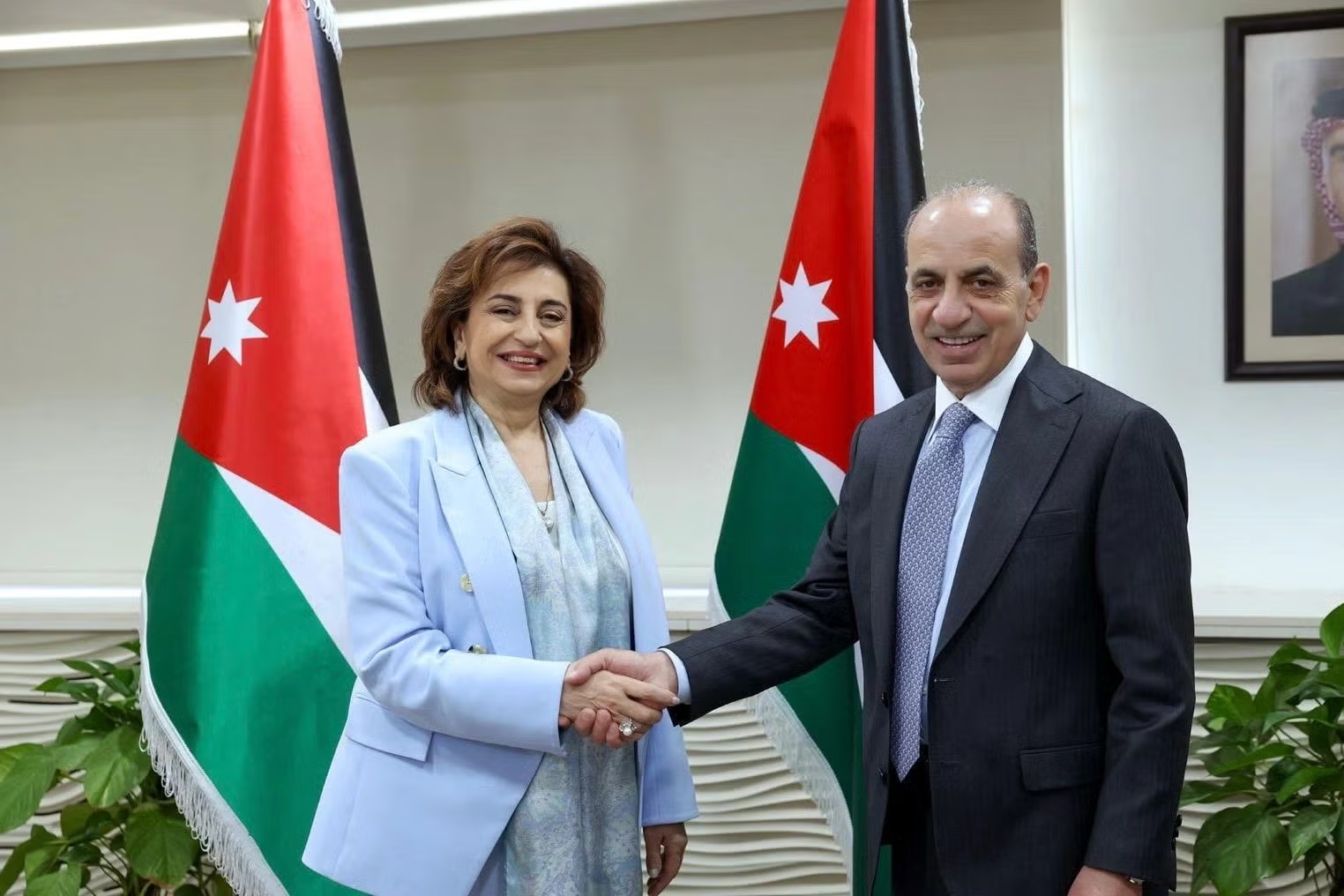
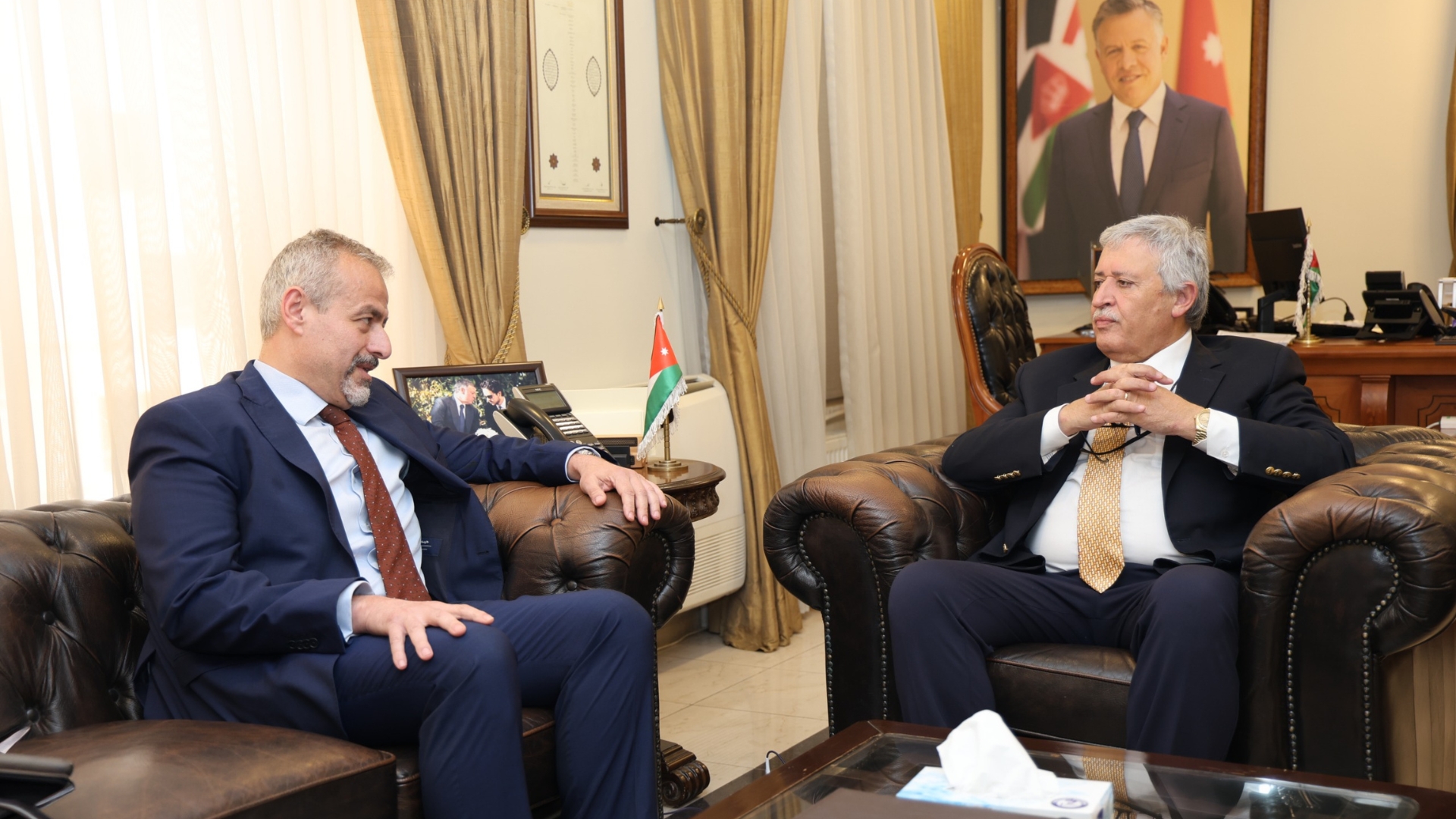
King Abdullah of Jordan and King Hamad of Bahrain discussed the latest developments in the Middle East during their recent meeting. The two rulers emphasized the critical need to prevent any further escalation of hostilities across the region, noting the potential for wider destabilization. They also explored various avenues through which cooperation between their nations and others could be enhanced to achieve lasting stability. Their discussions included a review of ongoing efforts by the UN Security Council aimed at ensuring de-escalation, both within the Middle East and on a broader international scale. The leaders showed the importance of diplomatic engagement in addressing the current security challenges, advocating for concerted international action to mitigate the crisis. They stressed that a unified approach is essential to navigate the complex dynamics of the current situation and safeguard regional peace.
Broader Conflict Context
Both Jordan and Bahrain face renewed threats stemming from the ongoing hostilities between Iran and the United States. These confrontations have seen intermittent lulls over the past six months, with periods of reduced conflict followed by renewed engagement. Hostilities have paused for short periods over the past six months, providing temporary relief before resuming with renewed intensity. The latest lull ended when the US military resumed strikes against Iranian military targets this week, signaling a new phase of confrontation. A significant consequence of the broader conflict has been the persistent blockage of the Strait of Hormuz to international shipping. The Strait of Hormuz has largely remained blocked to international shipping during the conflict, severely impacting maritime trade routes critical for global commerce and exacerbating economic uncertainties. This blockage adds to regional instability and poses challenges for international energy markets. The renewed US-Iran hostilities contribute to the volatile security environment in the Middle East, affecting various nations and their strategic interests. The situation shows the complex and interconnected nature of regional security dynamics, demanding continuous diplomatic attention and efforts towards de-escalation.