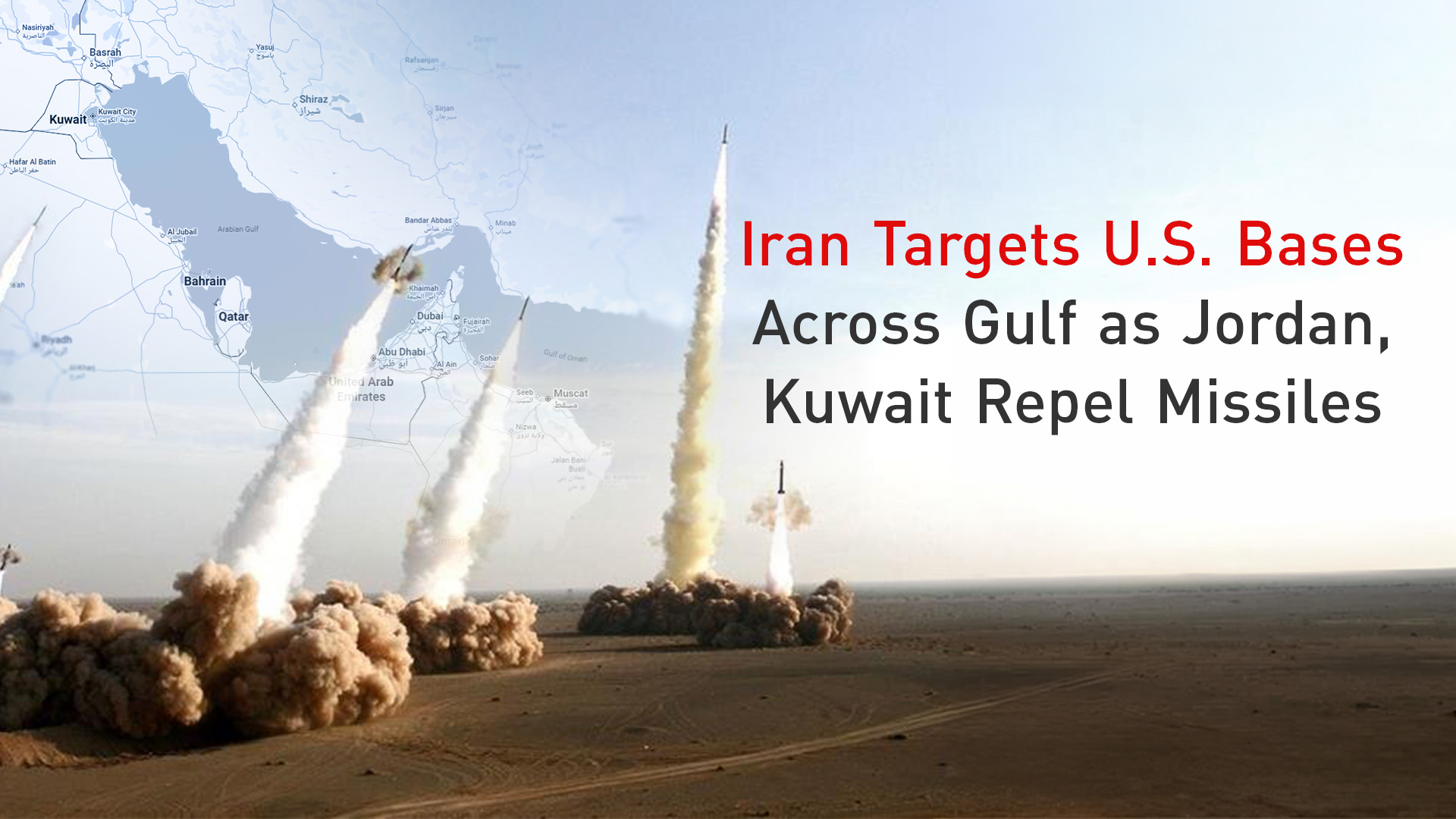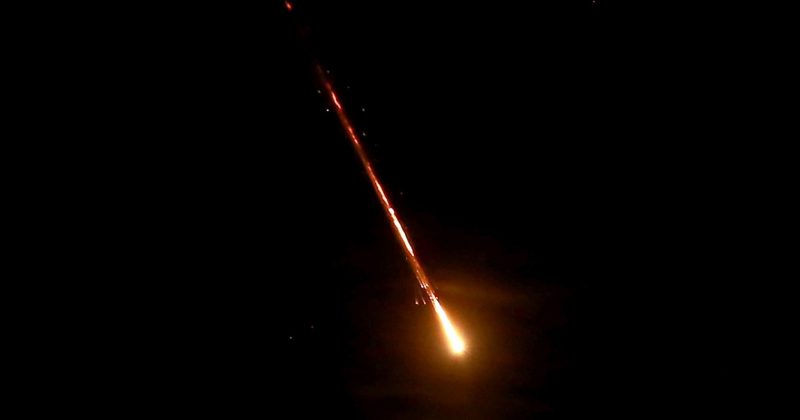
Jordanian air defence systems successfully intercepted and shot down four missiles early on Monday as they entered the country's airspace. The missiles were confirmed to be inbound from Iran, marking a significant aerial incident for the kingdom. Authorities swiftly confirmed that there were no reported casualties or material damage resulting from the interception, ensuring the safety of the civilian population and critical infrastructure. The coordinated response by Jordan's defence forces effectively neutralized the threat posed by the incoming projectiles, preventing any potential impact within Jordanian territory. This decisive action shows the country's vigilance in monitoring its borders and responding to aerial incursions.
Debris Removal Operations
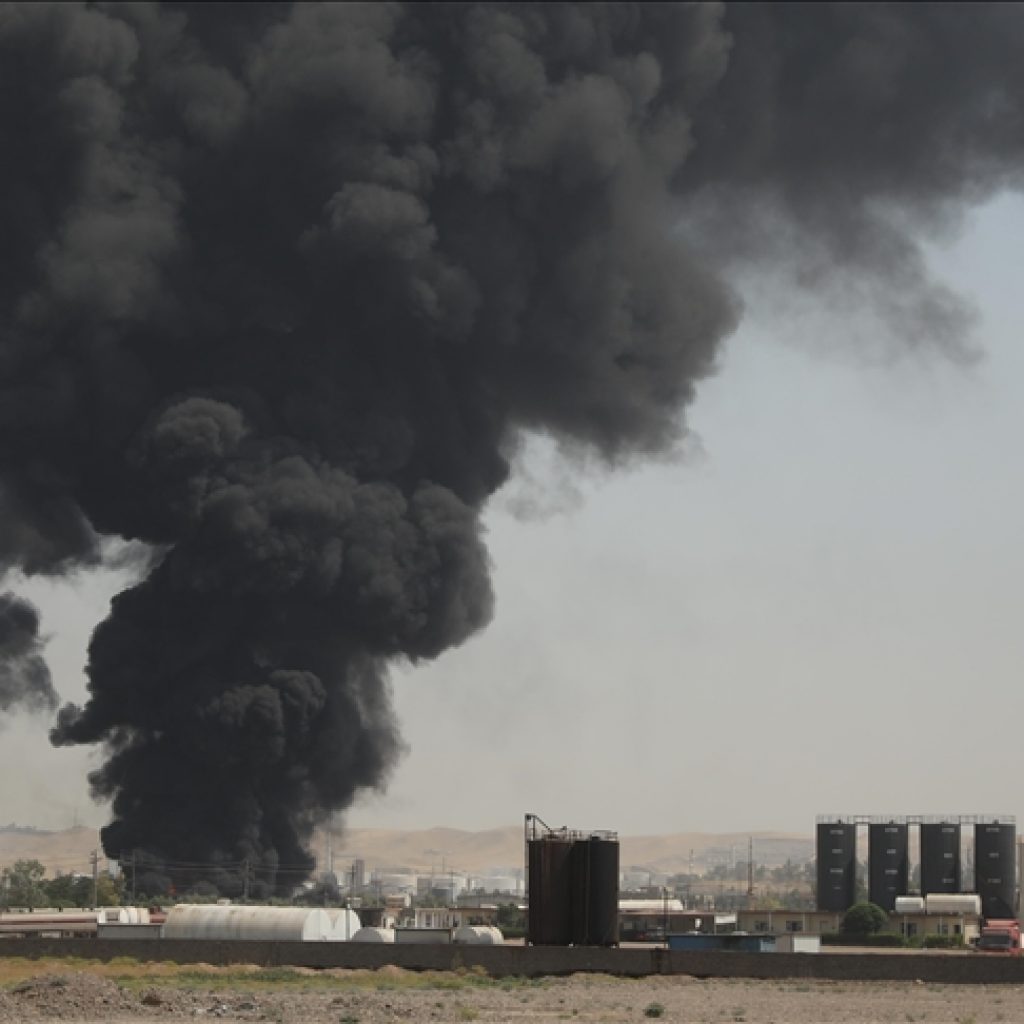
Following the successful interception, Royal Engineering Corps teams were immediately dispatched to secure and remove missile debris that fell across several locations within the country. These critical operations were initiated promptly after the interception of the four missiles, which had entered Jordanian airspace from Iran early on Monday. Teams were strategically deployed to various sites to ensure public safety and meticulously clear the remnants of the intercepted projectiles. The prompt action by the Royal Engineering Corps was an integral part of a full and coordinated response to the aerial incidents. Their efforts were key in mitigating any lingering risks to the population and environment. Authorities have maintained that they have not disclosed the specific types of missiles involved or the exact number of debris sites, prioritizing operational security. The swift and efficient removal efforts were primarily aimed at minimizing any potential hazards to the population and national infrastructure, demonstrating a commitment to public welfare and security. The careful process of debris collection ensures a thorough assessment can be conducted without compromising sensitive information.
Official Stance on Sovereignty
An official military source at the General Command of the Jordanian Armed Forces - Arab Army issued a strong statement, declaring that any attempt to undermine state sovereignty or violate Jordanian airspace will be met with decisive force. The source unequivocally affirmed this resolute position, emphasizing that all actions taken would be strictly under established rules of engagement and in line with national interests. This firm declaration follows the recent incident where Jordanian air defence systems intercepted four missiles that had entered the country's airspace from Iran. The military's statement shows Jordan's unwavering commitment to defending its borders and preserving its territorial integrity against all threats. Authorities have consistently maintained a firm stance against any unauthorized incursions into their national airspace, reinforcing their dedication to national security. The rules of engagement are meticulously designed to protect the nation from external threats, thereby ensuring the safety and security of its citizens and vital infrastructure. This official position reiterates the armed forces' readiness and capability to respond robustly to any future challenges to the kingdom's sovereignty and stability. The clear communication of this policy aims to deter potential aggressors and reassure the Jordanian populace of their security.
Broader Regional Context
The missiles intercepted by Jordanian air defences, which entered the country's airspace from Iran, signify a critical development in the region. This incident comes amidst heightened tensions across the Middle East, with several nations expressing profound concerns about regional stability and security. Jordan's decisive actions reflect its steadfast policy of safeguarding its territorial integrity in an increasingly complex geopolitical environment. The interception notes the ongoing challenges posed by aerial incursions in the region, particularly those originating from Iran, which have become a point of contention for many states. Authorities in Amman have consistently maintained a vigilant watch over their airspace, employing advanced surveillance and defence systems to prevent any unauthorized entries. The trajectory of the missiles from Iran into Jordanian territory shows the deeply interconnected nature of security concerns for countries throughout the Middle East, where national borders can be easily traversed by modern projectiles. The event contributes to a broader regional narrative concerning the movement of projectiles and the potential for cross-border incidents, necessitating strong defence capabilities and clear diplomatic communication to de-escalate tensions.