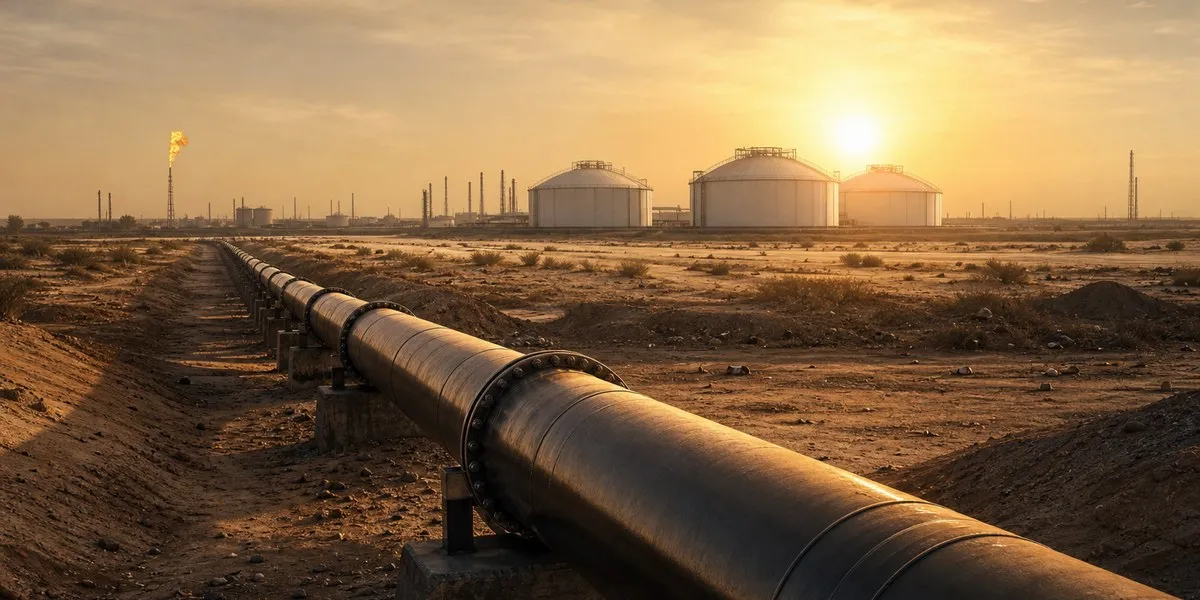
Jordan’s King Abdullah II and Iraqi President Nizar Amidi discussed the Basra–Aqaba oil pipeline project during a telephone conversation held on 20 October. The two leaders reviewed the status of the infrastructure project designed to connect oil fields in Basra to the port of Aqaba. Both parties examined the strategic implications of the pipeline for energy security and regional cooperation between Jordan and Iraq. The conversation focused on the technical and logistical requirements necessary to advance the construction of the link. Jordan and Iraq continue to evaluate the timeline for the project, which aims to provide an alternative export route for Iraqi crude oil through the Red Sea.
Project Scope and Specifications
Iraq and Jordan signed a formal framework agreement for the construction of the Basra–Aqaba oil pipeline in April 2012. This initial pact established the foundational legal and operational parameters for the cross-border energy link.
Engineers designed the pipeline to span a total length of 1,700 kilometers. The route connects production sites in Basra to the port of Aqaba, providing an outlet to the Red Sea. Designers project the system will maintain a capacity of up to 1 million barrels of oil per day. This throughput volume represents a significant portion of Iraqi crude exports, intended to bypass other transit points.
Infrastructure requirements for the project also include the construction of extensive storage facilities. These terminal sites will hold a total capacity of 7 million barrels of crude oil. These reserves serve to manage flow rates and supply stability for the pipeline network. Officials from both nations continue to reference these specifications as they evaluate the project's current technical requirements.
Economic Costs and Benefits
The project is estimated to cost about $18 billion. This total expenditure covers the infrastructure required to transport crude oil from Basra to the port of Aqaba. Officials from both nations continue to assess these financial requirements as they evaluate the project's technical and logistical components.
Jordan is expected to receive about 150,000 barrels of crude oil per day through the pipeline. This supply provides Jordan with a direct energy source, supporting domestic needs through the cross-border link. The remaining capacity of the system, which is designed to transport up to 1 million barrels per day, allows Iraq to utilize the pipeline for its broader export operations. Both nations view these figures as central components of the project's economic planning. Current evaluations focus on how these volumes integrate with the existing energy infrastructure in Jordan and Iraq.
Broader Regional Economic Impact
Iraqi Foreign Minister Fuad Hussein reported that Iraq has lost about $60 billion due to the war in the Middle East. These losses reflect the broader financial impact of regional instability on the Iraqi national economy and infrastructure development.
Iraq's foreign exchange reserves have decreased by $20 billion during the same period. This decline in reserves alters the fiscal environment for large-scale energy projects. Officials from both Jordan and Iraq continue to monitor these financial figures as they assess the funding requirements for the Basra–Aqaba oil pipeline. The reduction in available foreign exchange assets serves as a factor in current intergovernmental discussions regarding the implementation of the project. Both nations evaluate how these economic conditions influence the timeline and resource allocation for the construction of the pipeline system.