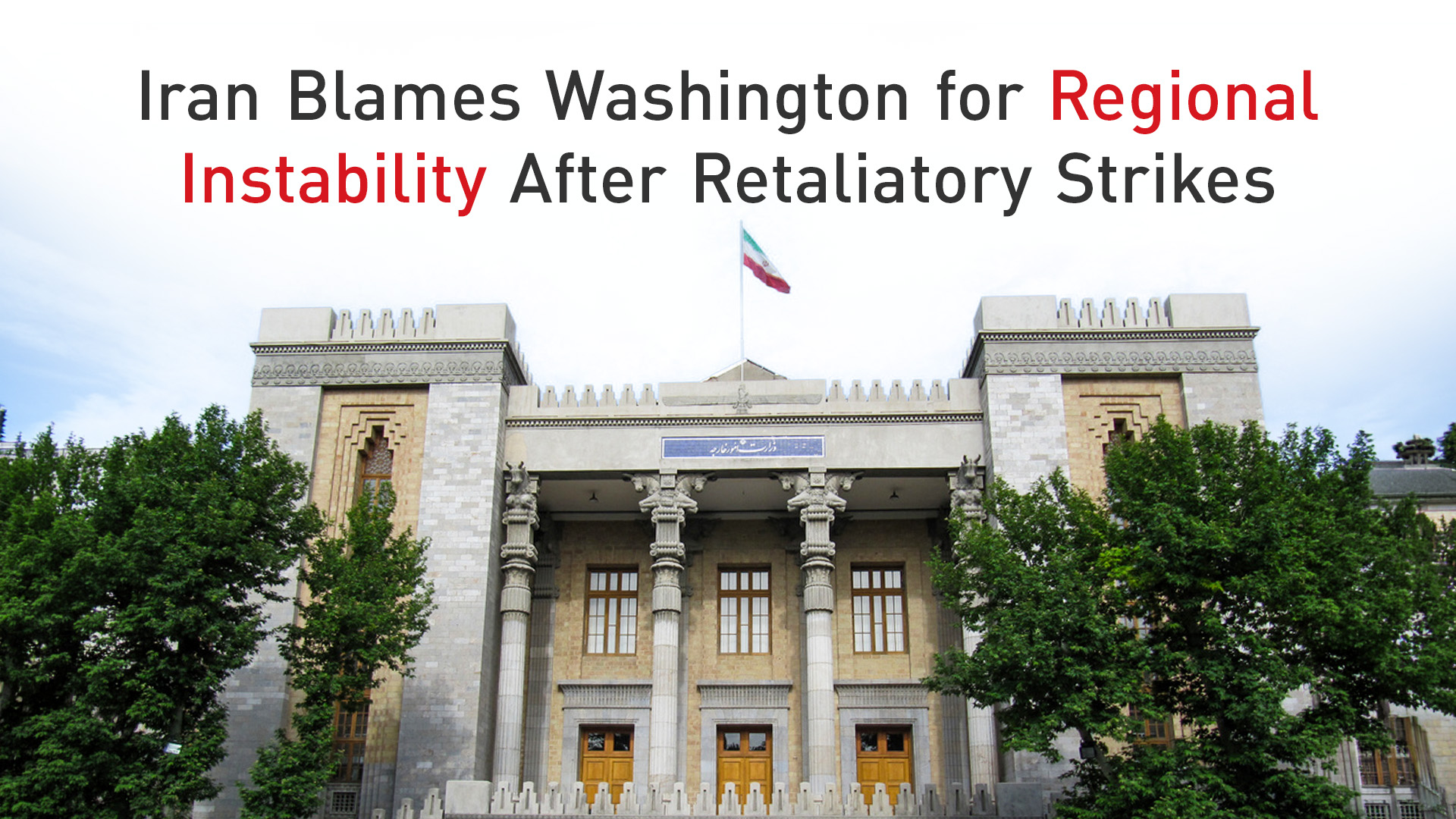
Iran announced Monday its armed forces had launched strikes against U.S. Military targets in Jordan and the United Arab Emirates. The strikes were described as retaliation for an American attack on Larak Island near the Strait of Hormuz. This escalation began Sunday after U.S. Forces attacked Iranian military positions on Larak Island. Iranian state media subsequently reported that missiles had been launched toward U.S. Targets elsewhere in the region, as well as against American military vessels operating in the vicinity of the Strait of Hormuz. The Iranian government emphasized that these actions were direct responses to what it characterized as an unprovoked American assault on its sovereign territory.
Iranian Retaliation Detailed
The Iranian military announced it had targeted Al Minhad Air Base in the United Arab Emirates. The Foreign Ministry confirmed strikes against U.S. Military facilities in Jordan. Tehran stated the Jordanian facilities had been used as staging grounds for American attacks against Iranian territory, asserting that these bases played a direct role in the Larak Island operation. Iran's Foreign Ministry further clarified that these strikes were defensive responses to the U.S. Operation on Larak Island, maintaining that Iran was acting within its rights to protect its national security.
Iran's Islamic Revolutionary Guard Corps (IRGC) announced its Aerospace Force launched a missile and drone operation against U.S. Facilities at King Hussein Air Base and Al-Azraq Air Base in Jordan. The IRGC claimed ballistic missiles caused extensive damage to infrastructure and areas housing U.S. Aircraft at these bases. According to the IRGC, the U.S. Attack on Larak Island caused deaths and injuries among Iranian personnel and civilians, prompting the retaliatory strikes. The IRGC's statement detailed the precision and effectiveness of its missile and drone units in neutralizing perceived threats posed by the U.S. Military presence in the region. The targeting of specific air bases in Jordan and the UAE showed Iran's intent to demonstrate its capability to reach U.S. Assets across various regional locations.
Iran also claimed to have shot down a U.S. Drone over the Strait of Hormuz. This claim, if confirmed, would mark another significant incident in the escalating tensions, noting direct engagement between Iranian and U.S. Military assets beyond missile strikes. The alleged downing of the drone further complicated the narrative of the recent events, with Iran presenting it as another act of self-defense against perceived American aggression.
U.S. Operation and Justification
Washington stated its operation targeted Iranian rocket launchers, which it claimed were associated with an imminent attempt to deploy additional mines in the Strait of Hormuz. U.S. Central Command (CENTCOM) described the operation as both limited and precise. CENTCOM further reported that Iranian Revolutionary Guard personnel had been preparing rockets designed to carry sea mines for use in the strategically important strait. Sunday's operation marked the first confirmed U.S. Military strike on Iran in approximately one month, signaling a significant shift in the operational tempo between the two nations. This action followed a period of relative calm in direct military engagements, making the Larak Island strike particularly noteworthy.
A CENTCOM spokesperson issued a statement justifying the U.S. Action. "In essence, Iran created the threat and the U.S. Military eliminated it to protect civilian mariners, commercial shipping, and the free flow of global commerce," the spokesperson stated. The U.S. Military maintained its actions were preventative, aimed at neutralizing a direct and immediate threat to international maritime traffic in a key global waterway. The focus of the U.S. Operation was described as targeting specific Iranian assets directly involved in the alleged mining preparations, rather than broader infrastructure. This targeted approach, according to CENTCOM, showed the defensive nature of the strike and its goal of de-escalating potential conflict by removing the immediate threat. The U.S. Military has consistently emphasized its commitment to ensuring the safety and security of maritime routes in the region, citing the importance of the Strait of Hormuz for global energy supplies. CENTCOM's justification noted the perceived necessity of preemptive action to safeguard vital international shipping lanes, which are critical for global trade and energy markets. The U.S. Maintained that its intelligence indicated a clear and present danger posed by the Iranian mining activities, necessitating the swift and decisive military response on Larak Island.
Strait of Hormuz Significance
Before fighting began on February 28, approximately one-fifth of global oil supplies traversed the Strait of Hormuz. This makes the waterway an indispensable chokepoint for international energy markets, with any disruption having broad economic consequences. U.S. Officials announced last week that recognized international shipping routes had been cleared of Iranian sea mines, a development that had temporarily eased concerns about maritime safety. The military reported Sunday that it had redirected 83 commercial vessels and disabled three that were under the blockade of Iranian ports, demonstrating ongoing efforts to manage and secure maritime traffic in the region. These actions by the U.S. Military were presented as critical for maintaining the free flow of commerce and preventing further escalation of maritime incidents.
Commercial traffic through the Strait of Hormuz remains at reduced levels, significantly below the approximately 130 ships that crossed daily before the conflict. This reduction shows the profound impact of the ongoing tensions and military activities on global shipping patterns and supply chains. The decreased volume of traffic reflects heightened risk assessments by shipping companies and insurers, leading many to seek alternative, albeit often longer and more expensive, routes.
A tanker was struck Saturday by an unidentified projectile north of Khasab, Oman, adding to concerns about maritime safety in the region. This incident, occurring just before the U.S. Strike on Larak Island, further illustrated the volatile and unpredictable nature of the maritime environment in the Arabian Gulf. The lack of immediate attribution for the projectile only deepened anxieties among international shipping operators. Following the U.S. Strike, both major crude benchmarks saw increases of at least 2% on Monday. U.S. Crude prices rose by 1.8%, reaching $84.94 a barrel. Brent crude also gained, increasing by 1.9% to $89.79. These immediate market reactions noted the sensitivity of global oil prices to geopolitical instability in the Strait of Hormuz, reflecting fears of potential supply disruptions from the critical waterway. The price hikes served as a tangible indicator of the economic ramifications of the escalating military actions.
Broader Context and Diplomacy
Iran's Foreign Ministry stated the recent strikes constituted defensive responses to the U.S. Operation on Larak Island. This declaration linked the Iranian actions directly to the American military presence and activities in the region, framing them as legitimate acts of self-defense against foreign aggression. The Iranian government reiterated its stance that its military actions were proportionate and necessary given the circumstances.
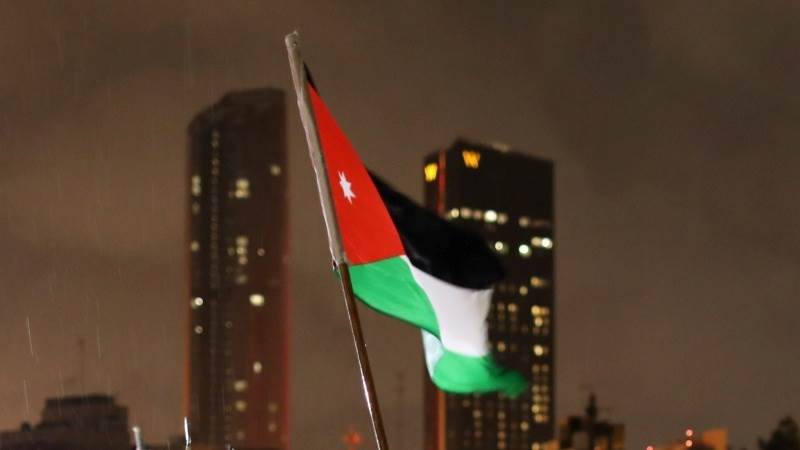
Jordan's armed forces reported intercepting eight missiles that entered the country's airspace early Monday, without specifying their origin. This interception occurred amidst heightened regional tensions following the Iranian strikes, indicating the widespread impact of the conflict across neighboring states. The interception noted the readiness of regional defense systems in response to the volatile situation.
The broader context of the conflict includes President Pezeshkian's acknowledgement last week that sanctions and wartime restrictions were significantly impacting Iranian trade. He noted that both imports and exports had fallen sharply in recent months, indicating economic pressures on the nation. President Pezeshkian's remarks provided insight into the domestic challenges faced by Iran, suggesting that economic strain might be a contributing factor to the heightened tensions or a consequence of the ongoing international standoff. The decline in trade showed the severe economic consequences of the prolonged conflict and international sanctions.
A ceasefire reached in April had previously reduced the most intense fighting between the involved parties. This agreement had offered a period of relative calm before the current escalation, raising hopes for a more lasting resolution. The breakdown of this fragile truce marked a significant setback for regional stability.
Iran and the United States signed a memorandum in June. This document was intended to create a framework for ending the ongoing conflict, suggesting diplomatic efforts were underway to de-escalate tensions prior to the recent strikes. The signing of this memorandum indicated a willingness from both sides to explore diplomatic avenues, making the recent military escalation particularly concerning as it disrupted these nascent peace efforts. The memorandum aimed to establish clear communication channels and a roadmap for conflict resolution, showing the complexity of the relationship between the two nations, which oscillates between direct confrontation and attempts at diplomatic engagement. The current escalation now casts a shadow over the future of any such diplomatic frameworks.