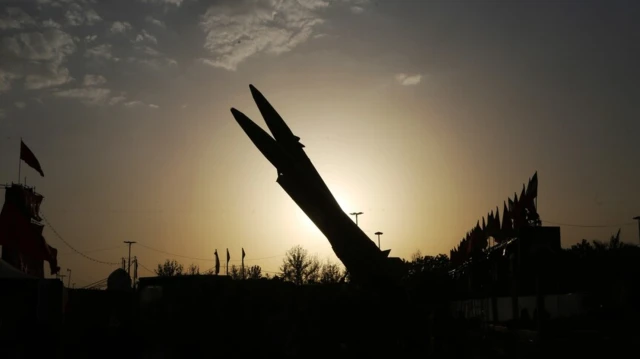
Bahrain intercepted an Iranian aerial attack early on Wednesday, according to reports from the Gulf nation. This development follows recent US strikes that targeted Iranian positions on September 1, which the US military stated were in response to attempted attacks by Iran against commercial shipping and American service members. The intercepted aerial attack over Bahrain marks a significant escalation in the ongoing regional tensions. Meanwhile, at least five people, including a child, were killed in an incident in Sirik. The US military, commenting on reports related to the Sirik incident, stated it was aware of the report but affirmed that it “never targets civilians.” This statement came amidst accusations and counter-accusations regarding civilian casualties.
Escalating Cross-Border Attacks
Iran fired missiles at Jordan and launched drones at Kuwait, all of which were intercepted. These multiple interceptions across various nations highlight the widespread nature of the recent Iranian military actions. The United States Central Command stated that its actions were a response to Tehran's attempts to target commercial ships and American forces operating in the Middle East. This strategic justification shows the perceived threat from Iranian activities in the vital maritime and military operational areas. On Monday, the United Arab Emirates reported intercepting an incoming Iranian drone over its territorial waters. This incident further demonstrates the broad reach of the recent aerial incursions. The US Central Command later confirmed it had completed the latest round of strikes against Iranian military targets. These targets included air defence sites, radar systems, and various maritime assets, indicating a full response aimed at degrading Iran's military capabilities. The engagements mark a period of heightened cross-border military activity in the Gulf region, raising concerns about broader regional stability and the potential for further escalation. The US Central Command explicitly stated it was responding to Tehran trying to hit commercial ships and American forces in the Middle East, providing a clear rationale for its military operations.
Roots of the Conflict
Fighting between the United States and Iran has intensified since the weekend, following U.S. Strikes on September 1. These strikes targeted Iranian targets after attempted attacks by Iran against commercial shipping and American service members, as confirmed by US military statements. The Iranian Red Crescent reported an attack in Sirik, stating that a home was hit during a wedding celebration in the area. This report from the Iranian Red Crescent provided specific details regarding the location and circumstances of the attack, drawing international attention to potential civilian impact. At least five people, including a child, were killed in the Sirik attack, according to the Iranian Red Crescent. This tragic loss of life shows the human cost of the escalating conflict. At least 68 other individuals were wounded in the Sirik attack, according to the same report, further detailing the extent of the casualties. Following these events, Iran largely shut down the Strait of Hormuz after attacks that occurred on February 28. This move has significant implications for global energy markets and international shipping. The US military, in response to reports concerning the Sirik incident, reiterated its policy that it “never targets civilians,” aiming to clarify its operational guidelines amidst the conflicting reports.
Regional and Economic Repercussions
Bahrain's military accused Iran of "attacks targeting civilians." This accusation from a key regional player adds another layer of tension and blame to the ongoing situation. The renewed violence threatens to fully reignite a conflict that is now in its seventh month, indicating a prolonged period of instability and confrontation. Bahrain hosts an important US naval base, adding another layer to the regional dynamics and making it a critical strategic location in the context of US-Iran relations. The presence of such a significant military asset in Bahrain means that any attacks on its territory or airspace carry substantial geopolitical weight.
Before Israel and the US attacked Iran on February 28, approximately a fifth of the world’s traded oil was shipped through the Strait of Hormuz. This critical maritime chokepoint is vital for global energy supplies, making its closure by Iran a major concern for international markets. The current situation has already impacted global markets, with significant fluctuations observed in commodity prices. The price of Brent crude oil climbed above 95 dollars (£70) following the strikes. This represents an increase of more than 30% from the beginning of the conflict, illustrating the immediate and substantial economic fallout from the escalating hostilities. The sustained rise in oil prices reflects market anxieties about potential disruptions to supply chains and the broader economic implications of a prolonged conflict in the Gulf region. The closure of the Strait of Hormuz by Iran, following the February 28 attacks, is a direct factor contributing to these market anxieties, given its key role in global oil transit. The intertwining of military actions with economic consequences notes the broad impact of the current regional tensions.