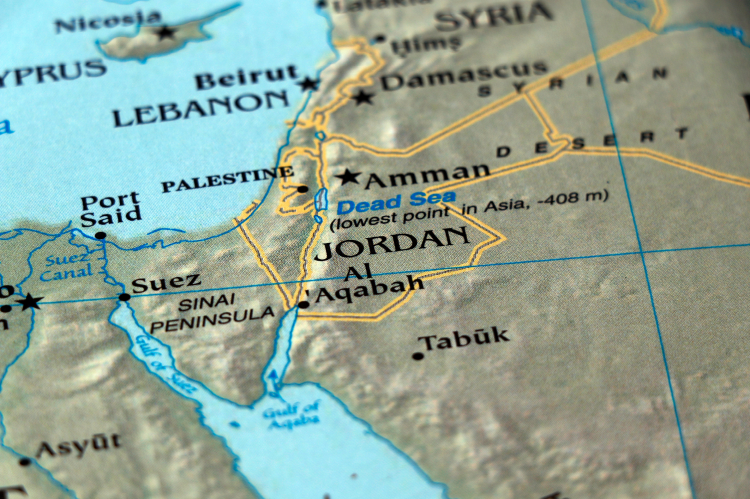
Iran launched missile strikes on Jordan late Tuesday evening, September 1, with reports indicating missiles were directed toward the country. Jordanian air defense systems successfully intercepted and destroyed 10 of these projectiles, preventing further impact. The target of the strikes was identified as Tibtin camp, located on the shore of the Gulf of Aqaba, a strategic location.
Details of the Attack
Shortly before messages about potential danger were received, information emerged that Iran had launched missiles toward the country, initiating a period of heightened alert. At approximately 11:00 p.m. Local time, Jordanian residents received alerts on their mobile phones concerning potential danger, prompting immediate public awareness. Air raid alerts were then announced across the country about 15 minutes later, at approximately 11:15 p.m. Signaling the imminent threat. During the incident, three missiles reportedly fell in remote areas, away from populated centers within Jordan, minimizing potential civilian casualties. Jordan later stated that its air defense systems had successfully shot down all eight missiles launched towards its territory, asserting the effectiveness of its defensive measures. Most of the Iranian missiles were reportedly shot down by air defense systems, preventing further impact and widespread damage.
Regional Tensions and Context
On the evening of September 1, US Central Command announced it was conducting strikes against Iran. This action was taken in response to what the command described as Tehran’s attempts to attack vessels in the Strait of Hormuz and target US military personnel. Reports indicated Iran had allegedly attacked US military forces and radar equipment at an air base in Bahrain using drones, noting the direct nature of the perceived threat. Concurrently, Kuwait reported undertaking air defense operations due to a separate drone attack, further noting broader regional instability and the proliferation of drone warfare. These incidents followed a period in August when both sides had reportedly ceased attacks on each other, suggesting a fragile truce had been broken. However, the United States had struck the Iranian island of Larak overnight on August 31, a preemptive measure. This US action came amid intelligence that Iranian forces were preparing to re-mine the key Strait of Hormuz waterway, a strategic maritime chokepoint vital for global oil shipments and international trade. The US Central Command stated that its strikes on September 1 were a direct response to Tehran’s recent aggressive actions against shipping and military personnel, framing the operations as retaliatory.
Official Statements and Discrepancies
Most Iranian missiles were reportedly shot down by air defense systems, according to initial assessments. Jordanian air defense systems engaged 13 ballistic missiles that entered the Kingdom’s airspace, according to official reports, indicating a significant defensive effort. In contrast, Iran claimed to have attacked two air bases located in Jordan, asserting its strikes reached their intended targets and implying successful penetration of Jordanian defenses. Meanwhile, US Central Command reported that its forces had attacked air defense systems, electronic warfare assets, naval assets, and facilities, alongside civilian structures and uniformed personnel, indicating a broad scope for their retaliatory operations against Iranian targets. Jordan, however, maintained that its defenses were effective, stating it had shot down all eight missiles that entered its territory, offering a different count than the 13 engaged. The differing accounts from the involved parties show the complexity and contested nature of the events, making a definitive narrative challenging to establish.