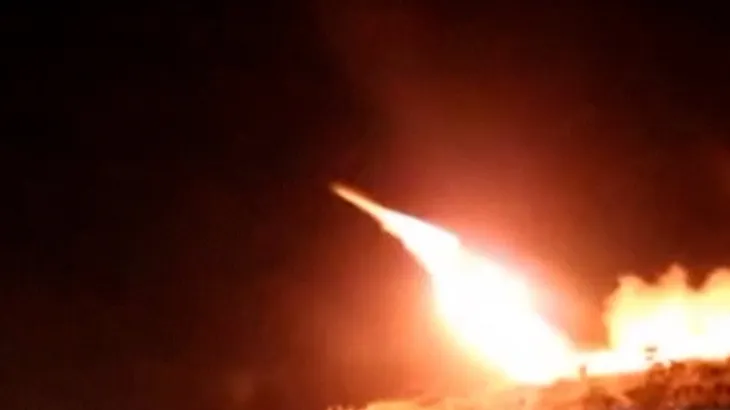
Iran on Monday launched a missile attack from multiple locations across the country, targeting various sites in the region. This extensive barrage, initiated from multiple points within Iranian territory, marked a significant escalation of regional tensions. Senior Iranian lawmaker Ebrahim Azizi warned of further actions, stating on X, formerly known as Twitter, that "Retaliation is coming; just run!" Azizi’s statement, delivered via the social media platform, showed the gravity of Iran's intentions following recent military engagements. He added that "No crime, at any level, will go unanswered" and cautioned against further provocation, indicating that Iran would not tolerate perceived aggressions. Azizi threatened that any additional challenge to Iran's resolve would result in a "heavier price," describing the anticipated response as "devastating, more painful and instructive." His public declarations served as a stark warning to any entities considering further action against the Islamic Republic.
Jordanian Air Defenses Intercept Missiles
Iran’s Revolutionary Guards launched strikes targeting two US bases in Jordan, Reuters reported. The strikes were part of a coordinated missile assault that unfolded on Monday. The Jordanian army confirmed it had intercepted eight missiles that were directed towards the American base within its territory, showcasing the effectiveness of its air defense systems. These interceptions occurred as part of a broader missile barrage initiated by Iran on Monday, demonstrating a significant test of regional defense capabilities. The specific US installations targeted in the attack were identified as King Hussein and al-Azraq in Jordan. These bases, key for US operations in the region, were the focus of the Iranian missile assault. Jordanian defense forces successfully neutralized the incoming projectiles, preventing them from reaching their intended targets and averting potential damage or casualties. The incident marks a significant test of regional air defense capabilities amidst heightened tensions, noting the preparedness of Jordan's military to respond to such threats.
US Strikes Prompt Iranian Retaliation
The strikes by Iran followed an earlier action by United States forces, which targeted two Iranian launchers on Larak Island. This marked the first strike on Iranian territory since July, representing a notable shift in the ongoing military interactions between the two nations. The US military action on Larak Island involved targeting specific infrastructure. Iran's Islamic Revolutionary Guard Corps (IRGC) subsequently reported that several fighters and civilians were killed and injured in the US strike, providing a casualty count that fueled calls for retaliation. The IRGC vowed to respond to the incident, signaling an imminent counter-attack. The IRGC also stated that the US strike caused "heavy damage" and specifically targeted "technical infrastructure, maintenance facilities, and enemy fighter jet positions," according to a translation provided by the AFP news agency. These details from the IRGC emphasized the perceived severity of the US attack and justified Iran's subsequent retaliatory measures.
Lawmaker Warns of More Attacks
Iran's Press TV reported early Monday that missile fire was directed toward US vessels in the Strait of Hormuz. This report indicated a broader scope for Iran's retaliatory actions, extending beyond land-based targets. Iranian state television separately reported explosions in the southern city of Sirik, noting they might be linked to Iranian attacks in the Strait of Hormuz, suggesting a coordinated effort across different operational theaters. Iran's Tasnim news agency said preliminary information suggested the attack in the Strait of Hormuz was carried out by drones. The use of drones in the critical waterway points to an evolving tactical approach by Iranian forces in their engagements. This method of attack could potentially complicate defense strategies for naval assets in the region.
Broader Regional Tensions and Strategic Targets
US officials informed Axios that the operation specifically targeted systems reportedly being prepared to launch rockets carrying sea mines into the Strait of Hormuz. This targeted action comes amid escalating tensions in the critical waterway, which is vital for global energy security. The US operation was a pre-emptive measure aimed at neutralizing potential threats to international shipping and regional stability. The Strait of Hormuz is a vital maritime choke point for global oil shipments, making any disruption or threat to navigation there a matter of international concern. The alleged preparation of sea mines by Iranian forces would pose a significant risk to commercial vessels traversing the strait, impacting global trade and oil prices. The US military operation aimed to neutralize potential threats to international shipping and regional stability, showing the strategic importance of preventing any disruption in this key maritime corridor. The ongoing exchanges between Iran and US forces highlight the volatile security environment in the Middle East and the potential for rapid escalation.