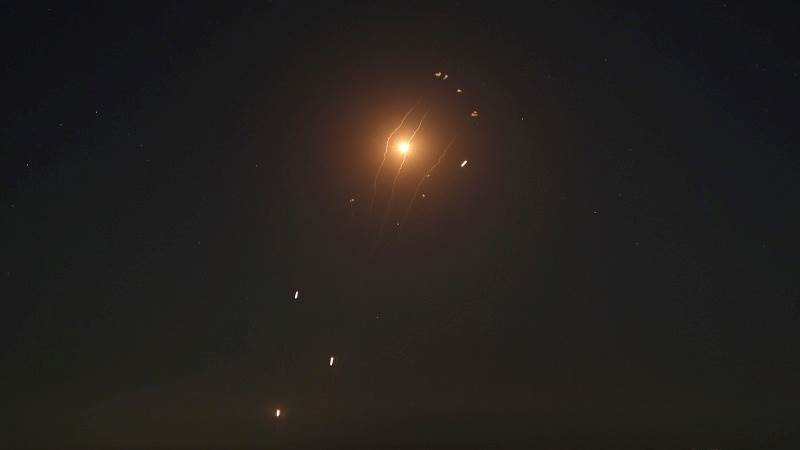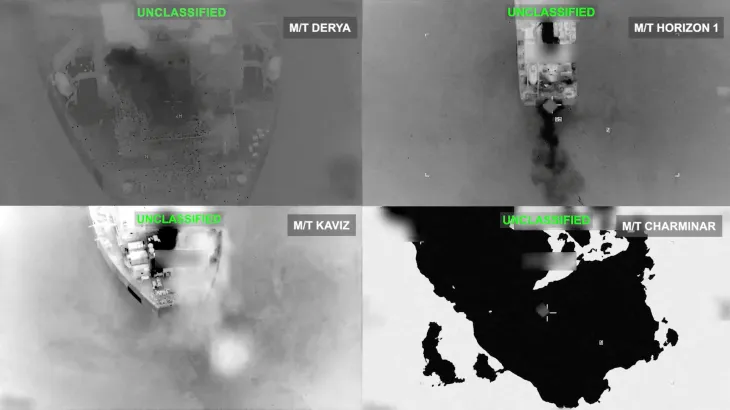
Fighting across the Middle East intensified after Iran launched missiles toward a military installation in Jordan used by U.S. Forces. Iran also carried out attacks on vessels near the Strait of Hormuz, contributing to the escalation of an already volatile regional situation. These actions have drawn international attention to the critical waterways and military installations in the Middle East, noting the potential for broader conflict.
Jordan Base Targeted
Jordanian authorities stated that most of the incoming missiles targeting the military installation were intercepted. No casualties were reported following the incident, a testament to the defensive capabilities deployed. The facility, which is used by U.S. Forces, was the subject of an Iranian missile strike, contributing to wider regional tensions. The interception efforts by Jordanian forces were largely successful in preventing significant impact from the projectiles. This event marks an escalation in the regional conflict, drawing attention to military installations in the Middle East used by international forces. The lack of reported casualties indicates the effectiveness of the defensive measures undertaken by the Jordanian military in response to the attack, mitigating what could have been a more severe outcome. The targeting of such an installation shows the direct challenges to international military presence in the region.
Maritime Attacks Near Hormuz
The Iranian Revolutionary Guard claimed responsibility for recent strikes involving multiple vessels in the area, including U.S. Ships and oil tankers, according to Reuters. These attacks occurred near the Strait of Hormuz, a critical maritime chokepoint for global energy supplies. The Revolutionary Guard's statement indicated their involvement in targeting various maritime assets, escalating the risk for international shipping. The strategic importance of the Strait of Hormuz, through which a significant portion of the world's oil supply passes, makes these attacks particularly concerning for global markets and energy security.
The heightened tensions and attacks have led to reduced traffic through the Strait of Hormuz, a direct consequence of the increased risk to shipping. This decrease in maritime activity has fueled concerns regarding the stability of global oil supply, as disruptions in this vital passage can have broad economic effects. Consequently, crude oil prices have experienced an upward trend following these developments, reflecting market anxieties about potential disruptions to energy transportation and the broader implications for international trade. The reduced traffic not only impacts oil but also affects the movement of other goods, creating a ripple effect across global supply chains.
Broader Regional Tensions
The latest escalation comes amid continuing exchanges between Iran and the United States, including recent U.S. Attacks on Iranian oil tankers. These tit-for-tat actions demonstrate a dangerous cycle of aggression that threatens to destabilize the region further. Regional tensions have also affected Saudi Arabia, where drone and missile attacks linked to Houthi forces caused injuries and damage to energy facilities. These incidents show the persistent volatility across the region and the interconnected nature of various conflicts, where state and non-state actors contribute to an environment of instability. The involvement of different parties and diverse targets indicates a complex and multifaceted conflict landscape.
Spreading Impact of Conflict
The recent developments illustrate the rapid expansion of military actions beyond specific targets, now impacting various critical sectors. These incidents are affecting international shipping lanes, key energy infrastructure, and neighboring countries across the region, demonstrating a broadening scope of hostilities. The escalation signals a broader regional instability where initial military engagements are quickly reverberating through economic and geopolitical spheres. This widening scope of conflict shows the interconnectedness of regional security, where actions against one target can swiftly lead to consequences for broader maritime trade, energy supply chains, and the stability of adjacent nations. The rapid succession of these events notes the dynamic and broad nature of the ongoing hostilities, with military action spreading beyond individual targets to affect critical global infrastructure and the security of multiple nations.