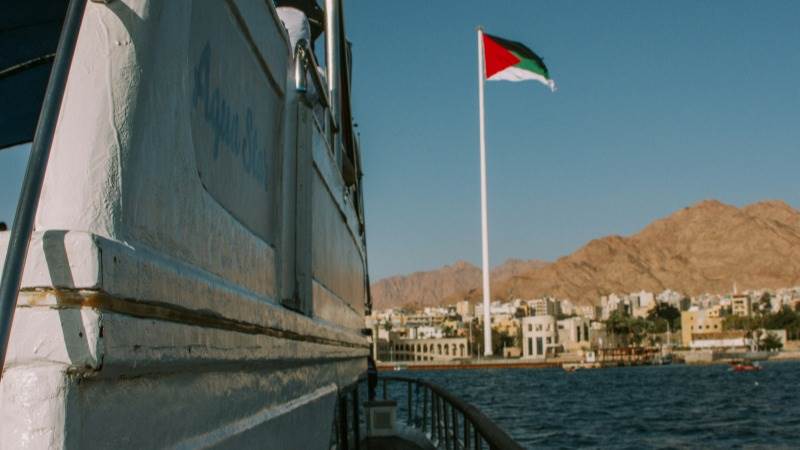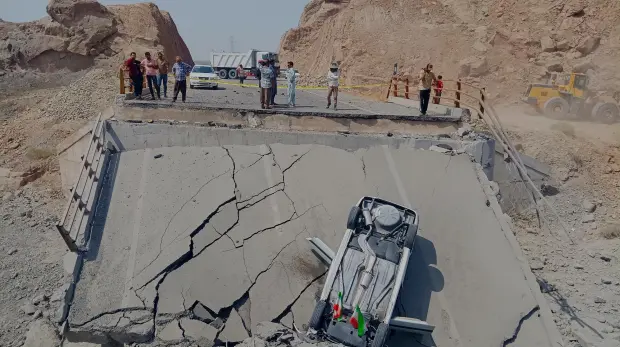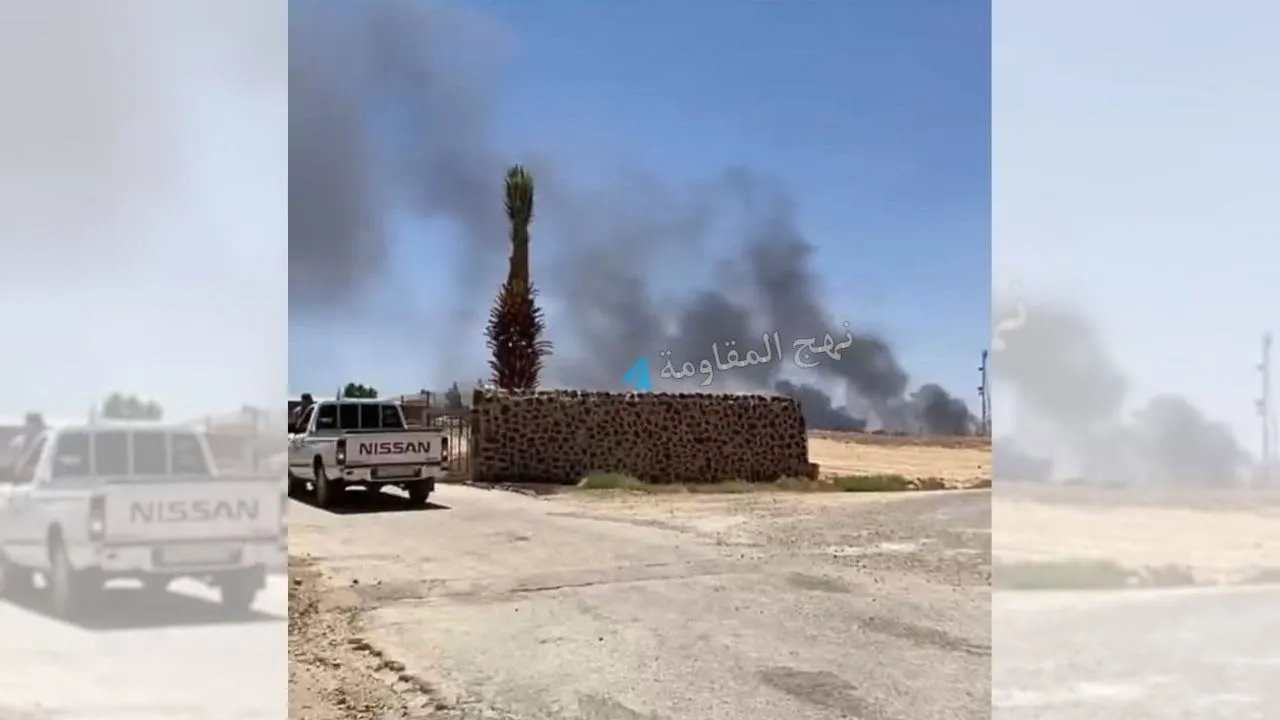
On Sunday, Iranian forces targeted the southern Jordanian city of Aqaba in an escalation of regional attacks. The incident marks a significant development in the ongoing regional tensions, with observers noting the attacks appear to be more deadly and extreme than previous Iranian actions. This targeting of Jordanian territory indicates a potential expansion of conflict zones in the Middle East. The strike on Aqaba, a vital port city on the Red Sea, shows the widening geographical scope of the conflict and the increasing boldness of Iranian-backed operations. This particular attack on Sunday, targeting the southern Jordanian city of Aqaba, serves as a stark reminder of the volatile security landscape.
Recent Attacks and Escalation
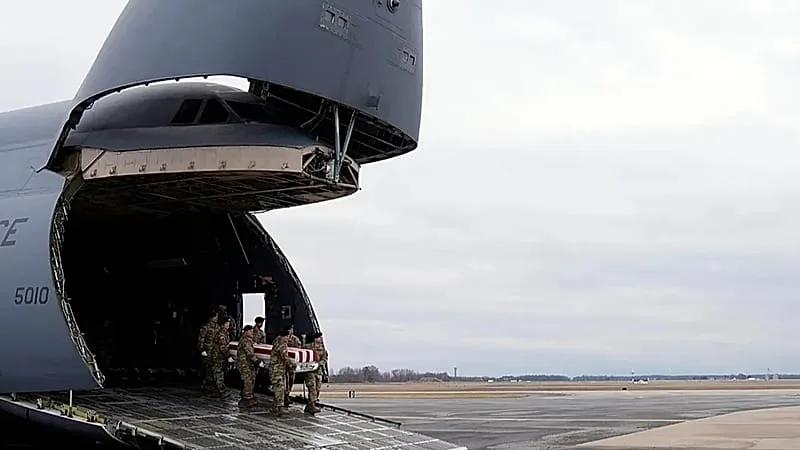
Iran also killed US soldiers in Jordan. The Iranian-backed proxy group Kata'ib Hezbollah attacked a post called Tower 22 in northeastern Jordan in January 2024, killing three Americans. These groups have positioned themselves close to both the Jordanian and Syrian borders, leveraging the porous nature of these frontiers for their operations. While targeting Jordan, Iran also recently claimed to have targeted a US garrison in Syria. This garrison, located at Al-Tanf, reportedly no longer exists and had been evacuated back in February, suggesting a potential disconnect between the claimed target and the reality on the ground. The continued focus on areas near the Syrian border, even after the withdrawal of US forces from specific locations, notes the persistent intent of these groups to project power and influence across the region.
It appears these groups were behind a recent smuggling attempt that involved moving missiles and drones into Syria. These weapons were hidden inside a tanker truck, intended to be transported via the Al-Tanf border crossing. The Syrians successfully busted this smuggling attempt, intercepting the illicit cargo before it could reach its destination. Despite the interception, the Iranians subsequently claimed to target the Al-Tanf area under the guise of targeting Americans, but observers suggest they were in fact sending a broader message, likely intended for regional actors or to demonstrate their reach. The attack on Tower 22 marked a significant escalation, resulting in US military casualties on Jordanian soil, a rare and serious incident. The claimed targeting of the Al-Tanf garrison, despite its prior evacuation, further notes the groups' operational focus near the Syrian border. The smuggling attempt, and its subsequent interception, further indicates persistent efforts to bolster military capabilities within the region, utilizing established transit routes and attempting to circumvent security measures.
Jordan's Strategic Position
Iran has sought to spread conflict across the region and establish numerous new front lines, according to claims. One of these proposed front lines is in Jordan. Iran appears to believe it has a right to attack US forces in the country, such as those stationed at Tower 22, and potentially strike the kingdom itself. This is reportedly intended to send a message that Jordan should not host American troops, aiming to undermine the kingdom's security alliances and its long-standing partnership with the United States. This strategic objective aligns with Iran's broader regional agenda of challenging Western influence and supporting proxy forces.
Jordan has been a Western ally throughout its existence, maintaining strong diplomatic and security ties with the United States and European nations. Historically, the Jordanians also fought Israel in the 1948 war, known as Israel's War of Independence, a conflict that deeply shaped the geopolitical landscape of the Middle East. Despite past conflicts and historical tensions, the two countries signed a peace deal in 1994, establishing diplomatic relations and fostering a period of relative stability along their shared border. More recently, Jordan hosted hundreds of thousands of Syrian refugees during the Syrian Civil War, showing its key role in regional humanitarian efforts and its commitment to stability in a volatile neighborhood. This long-standing alliance with Western nations and its complex history in the Middle East position Jordan as a key player in regional dynamics, particularly as tensions escalate with Iran and its proxy groups. The kingdom's geographic location, bordering Syria, Iraq, and Saudi Arabia, further amplifies its strategic importance in the context of expanding regional conflicts.
Regional Context and Motivation
The Iranians are ostensibly targeting US forces stationed in Jordan, according to reports from the region. This targeting strategy extends beyond direct confrontation, as evidenced by recent events. The Syrian authorities successfully intercepted a smuggling attempt involving weapons, which was later claimed by Iran to be targeting the Al-Tanf area. While presented as an action against Americans, observers suggest this move was intended to convey a broader message within the regional conflict, perhaps signalling resolve or demonstrating capability to other regional actors. The current Iran war, which commenced on February 28, 2026, with US and Israeli strikes on Iranian territory, marks a significant escalation in the long-standing tensions between Iran and its adversaries. This conflict has further intensified the complex geopolitical landscape, drawing new attention to the strategic positioning of forces and the motivations behind various regional actions. The incidents in Jordan and Syria are seen as integral components of this broader, unfolding confrontation, illustrating the interconnectedness of various regional flashpoints. The targeting of US interests and the attempts to establish new front lines are consistent with Iran's stated objectives of expanding its influence and pushing back against perceived foreign intervention in the Middle East. The escalating nature of these attacks, particularly the strike on Aqaba, suggests a concerted effort to broaden the scope of the conflict beyond previous engagements.