Global oil prices have surged past $91 per barrel following a series of military engagements in the Middle East and Europe, triggering widespread concern across international markets. The escalating tensions have been particularly pronounced in the Middle East, a region critical for global energy supplies. Iran's Islamic Revolutionary Guard Corps (IRGC) executed a heavy ballistic missile strike targeting the U.S. Marine base at Camp Titin in southern Jordan on August 31, 2026. This significant military action immediately drew international attention and raised fears of broader conflict. The IRGC stated its strike was in response to a U.S. Strike on Larak Island, indicating a direct tit-for-tat escalation. Separately, a Russian-led drone incident occurred at Leipzig Airport in Germany on August 4, 2026, contributing to the heightened geopolitical tensions and prompting strong diplomatic reactions from European nations. These events collectively show a period of profound instability, impacting both security and economic landscapes worldwide.
Escalating Middle East Conflict
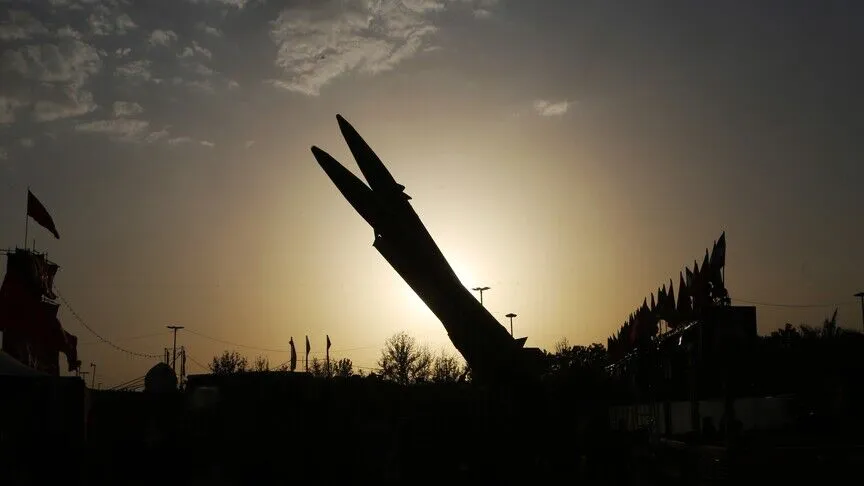
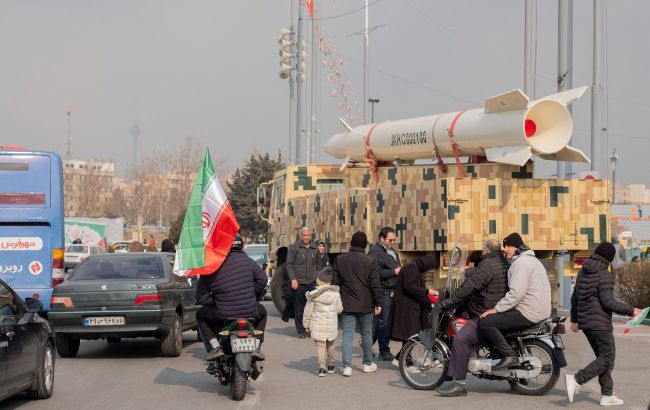
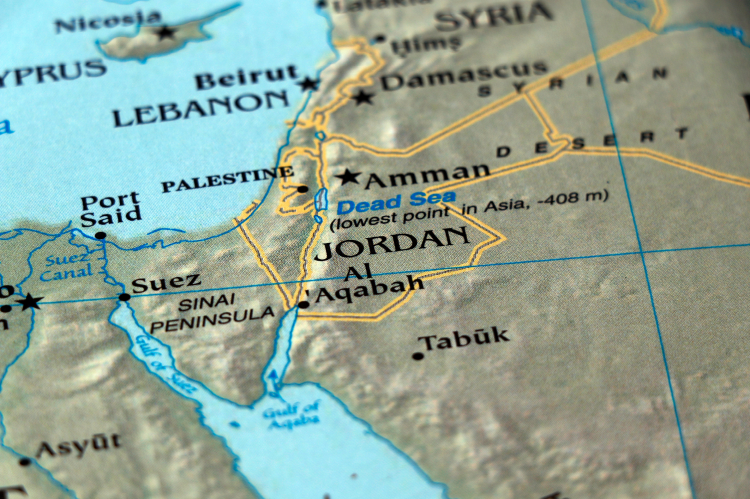
The August 31, 2026, ballistic missile strike by Iran's Islamic Revolutionary Guard Corps (IRGC) on the U.S. Marine base at Camp Titin in southern Jordan was declared direct retaliation for a U.S. Strike in Sirik, Iran. The targeting of a U.S. Military installation by Iranian forces marked a significant escalation in the ongoing regional standoff. The U.S. Action in Sirik reportedly hit a wedding ceremony, resulting in the deaths of four civilians and injuring over 50 others, a casualty count that fueled the IRGC's retaliatory narrative. The precision and scale of the IRGC's missile strike against the U.S. Marine base at Camp Titin demonstrated a heightened capability and willingness to engage directly with U.S. Assets in the region. This incident immediately prompted international calls for de-escalation and raised concerns about the potential for a wider conflict in the already volatile Middle East.
The IRGC's retaliatory actions on August 31, 2026, also included launching ballistic missiles at Jordan's King Hussein and Al-Azraq airbases. These simultaneous strikes on multiple Jordanian military facilities, which host U.S. Personnel and assets, further intensified concerns regarding regional stability following the earlier U.S. Strike in Sirik. The declared intent behind the missile launches was to respond to perceived U.S. Aggression, particularly the civilian casualties in Iran, and to demonstrate Iran's capacity to project power in response to perceived threats. The targeting of these airbases, in addition to Camp Titin, noted the broad scope of the IRGC's retaliatory strategy and its determination to send a clear message. The multiple missile launches showed the gravity of the situation and the potential for rapid escalation in a region already grappling with complex geopolitical challenges.
European Accusations and Retaliation
Germany formally accused Russia of orchestrating an explosives-laden drone plot at Leipzig/Halle Airport. This serious accusation came amidst heightened tensions between European nations and Russia, which have been strained by various geopolitical issues. The alleged plot involved the use of drones carrying explosives, raising significant security concerns for critical infrastructure. Following this accusation, Germany took swift and decisive steps to retaliate against Russian diplomatic presence within its borders, signaling a firm stance against what it perceived as hostile state-sponsored activity. The German government's response indicated a growing intolerance for such incidents on its sovereign territory, reflecting a broader European concern over Russian actions.
On September 1, 2026, Germany ordered the closure of the Russian consulate in Bonn. This directive specified that the consulate would cease operations effective September 18, 2026, allowing a short period for the Russian diplomatic staff to conclude their affairs. This move marked a significant escalation in diplomatic relations between the two countries, effectively reducing Russia's diplomatic footprint in Germany. The decision to close the consulate was a direct and punitive measure in response to the alleged drone plot, demonstrating Germany's resolve to impose consequences for actions it deems unacceptable. The closure of the consulate had immediate implications for bilateral relations, signaling a deepening rift between Berlin and Moscow.
Additionally, on September 1, 2026, Germany revoked the contract for the Russian House cultural centre in Berlin. The cancellation of the cultural centre's contract further showed the strained diplomatic ties and the German government's strong response to the alleged drone plot. The Russian House, a prominent cultural institution, had long served as a hub for Russian cultural activities in Germany. Its closure was widely seen as a symbolic yet impactful step, reflecting the severity of the diplomatic fallout. These actions collectively signal a hardening stance from Germany towards Russia in the wake of recent geopolitical incidents, indicating a significant shift in their bilateral relationship and a broader European response to perceived Russian aggression. The combination of diplomatic expulsions and the closure of cultural institutions reflected a full strategy to exert pressure on Russia.
Market Impact and Economic Fallout
The geopolitical volatility immediately translated into significant fluctuations in global financial and commodity markets. Brent crude prices rose to $91.22 per barrel during Tuesday's early session, reflecting heightened concerns over supply disruptions from the Middle East. The benchmark Nifty 50 index dipped 52.6 points to 24,027.80, while the BSE Sensex index declined 121.48 points in early trading, touching 76,835.79 points. These declines in major equity indices indicated a clear downturn in investor confidence, as market participants reacted to the increased geopolitical risks. Brent crude futures climbed to $91.22 per barrel, gaining from a previous settlement of $90.80, reflecting broader market concerns about the stability of oil supply routes, particularly those originating from the Middle East. Global oil prices have spiked past $91 per barrel, marking a critical threshold that often signals economic headwinds for net energy importers.
The Nifty 50 slipped to 24,027.80 points from a prior close of 24,080.40 points, indicating a noticeable downturn in investor sentiment and a move towards safer assets. Similarly, the BSE Sensex slipped to 76,835.79 points from a previous close of 76,957.27 points, reflecting a similar trend across India's leading stock exchanges. These market movements coincided with significant disruptions in shipping, as Kpler data indicated only 5 visible commodity vessels crossing the Strait of Hormuz daily over the weekend, a marked slowdown from typical traffic. This drastic reduction in shipping volumes through one of the world's most critical maritime chokepoints immediately raised alarms about potential supply chain disruptions for a wide array of commodities, not just oil. The Strait of Hormuz is a vital passage for a substantial portion of global oil and liquefied natural gas (LNG) shipments, making any disruption there a major concern for global trade and energy security.
Retail fuel prices in India remain elevated, following a cumulative post-election increase of nearly ₹7.5 per litre in metropolitan areas, putting additional pressure on consumers and businesses. Net energy importers like India are highly vulnerable to prolonged oil prices above $90 per barrel, facing potential economic headwinds from sustained high energy costs that can fuel inflation and slow economic growth. The reduced shipping activity through the critical Strait of Hormuz further complicates global supply chains and adds to the upward pressure on commodity prices, as the cost and availability of transporting goods become more uncertain. The combination of elevated crude oil prices and constrained shipping capacity through such a strategic waterway creates a challenging economic environment, potentially leading to higher input costs for industries and increased prices for consumers globally. The sustained geopolitical tensions, therefore, pose a significant threat to global economic stability and growth.