The ongoing conflict involving the US, Israel, and Iran has prompted assessments regarding the future of international relations. Kenneth Pollack, vice president for policy at the Middle East Institute, stated that the current hostilities represent a significant shift in regional stability. According to Kenneth Pollack, "The war could mark a historic turning point that redraws the rules of geopolitics." His assessment follows the military engagements between the named states, which have altered established security dynamics across the Middle East. Diplomatic and military actors continue to monitor the situation as the parties involved navigate the consequences of the conflict. Officials have not provided a timeline for a resolution to the fighting, leaving the long-term impact on regional alignment uncertain. The fluidity of the current security environment has necessitated a continuous reassessment of defensive postures among the nations involved. As military maneuvers persist, the international community remains focused on the strategic implications of these developments for the broader Middle East.
Defense Systems and Interception
Western defense systems intercepted 90% of incoming Iranian missiles and drones during the conflict. Military officials utilized these assets to neutralize aerial threats before they reached their intended targets. The interception rate of approximately 90% reflects the technical capabilities of the Western defense systems deployed during the engagement. These defensive measures were critical in managing the scale of the incoming projectiles launched during the hostilities. By neutralizing aerial threats, military officials aimed to mitigate the physical damage caused by the conflict. The reliance on these systems shows the importance of advanced technology in contemporary military engagements. The successful deployment of these assets has become a primary focus for security planners evaluating the effectiveness of current defense architectures.
Israel plans to adopt a strategy of establishing buffer zones in the Gaza Strip, Lebanon, and Syria. The government intends to implement these territorial measures as part of its security posture following the recent engagements. Israel is expected to adopt a strategy of establishing buffer zones in the Gaza Strip, Lebanon, and Syria to formalize its approach to border security. These zones are intended to provide a physical barrier between the state and surrounding areas, reflecting the government's shift in security policy. The implementation of these territorial measures is a direct response to the recent military engagements that have challenged existing security protocols.
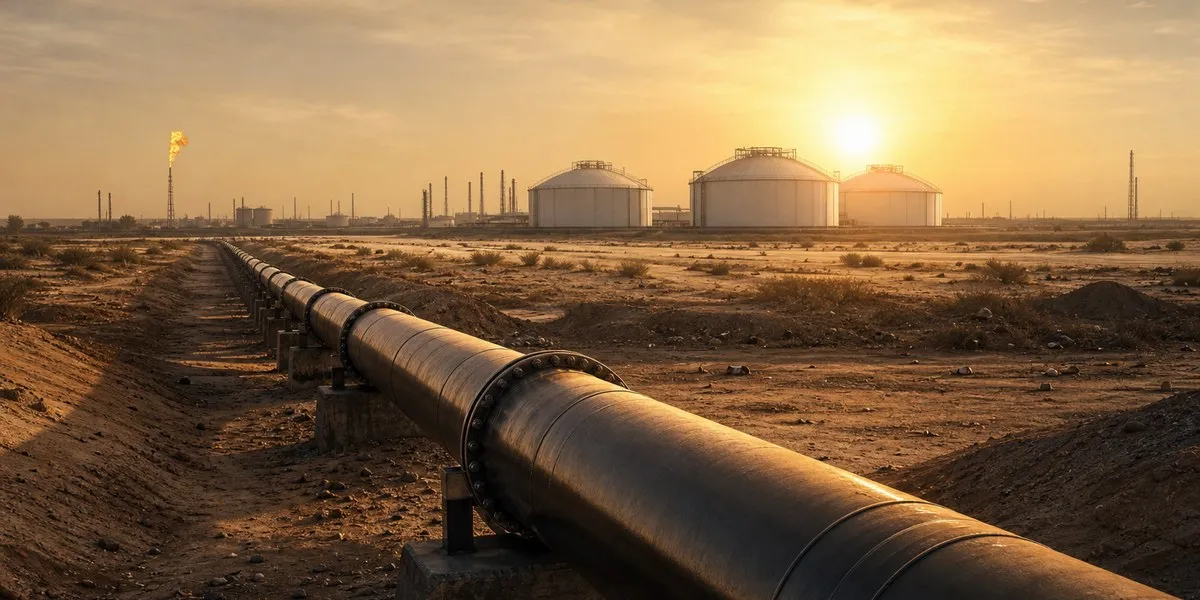
Trade and energy dependencies remain central to the position of external powers in the region. Annual trade between China and regional countries in the Middle East exceeds $500 billion. China relies on Gulf oil for 50% of its total oil imports. Beijing maintains these economic connections as it monitors the security of energy transit routes. China relies on Gulf oil for up to half of its total oil imports, noting the strategic importance of the region to its national energy security. The scale of the trade relationship, which exceeds $500 billion annually, necessitates a careful approach by Beijing regarding the stability of the Middle East. As an external power, China balances its significant economic interests with the ongoing security volatility. The monitoring of energy transit routes remains a priority for Beijing as it manages its dependency on oil supplies sourced from the Gulf. These economic realities continue to influence how external powers engage with the parties involved in the conflict.