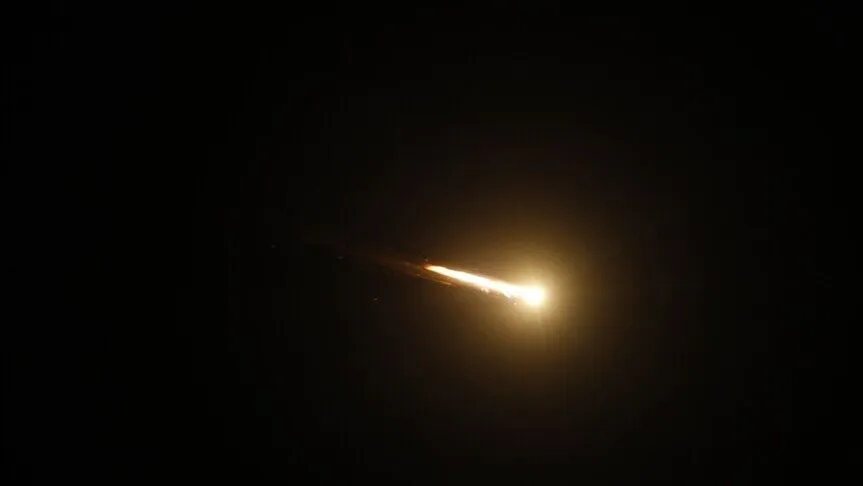
Loud explosions were reported over Al-Azraq Air Base in Jordan, according to recent accounts from various sources monitoring regional developments. The incidents occurred as the region experienced heightened tensions, reflecting a period of significant geopolitical instability. The explosions are believed to be connected to the interception of Iranian missiles, indicating a direct link to ongoing aerial activities in the broader Middle East. These reports have drawn considerable attention, showing the volatile security landscape.
Details of the Incident
Reports indicated prior attacks targeting the Muwaffaq al Salti Air Base, a key military installation in the Hashemite Kingdom. This facility, located in Jordan, has been mentioned in connection with earlier incidents, suggesting it has been a point of interest or concern in previous regional escalations. The nature and origin of these reported attacks on Muwaffaq al Salti Air Base were not immediately clear, but they preceded the explosions observed over Al-Azraq Air Base, another significant military installation. The sequence of events suggests a broader pattern of aerial activity in the region during a period of elevated geopolitical tension. Such incidents often raise concerns about the potential for wider conflict and the involvement of various actors. Details regarding any damage or casualties from the reported attacks on Muwaffaq al Salti Air Base have not been released by official sources, leaving the full impact of these earlier events uncertain. The lack of immediate official confirmation often characterizes initial reports from sensitive military zones.
Analysis and Attribution
The explosions heard over Jordan were likely linked to Iranian missiles that were intercepted over the northern part of the country, according to initial assessments from security analysts and regional observers. This attribution suggests the aerial activity was part of a broader regional event, possibly an extension of ongoing conflicts or retaliatory actions. The interception occurred in Jordanian airspace, indicating the trajectory of the missiles crossed the nation's northern territories before being neutralized. This development notes the challenges faced by countries in the region in protecting their sovereignty and airspace from unauthorized incursions or missile trajectories. The successful interception points to advanced defensive capabilities, yet the very act of interception shows the persistent threat. The engagement of these missiles over Jordanian territory signals a direct impact on the nation's security, even if the primary targets were elsewhere.
Broader Geopolitical Context
The incidents unfold against a backdrop of intensified diplomatic and strategic planning regarding regional security. Former U.S. President Donald Trump's team is reportedly developing a post-war strategy that centers on a regional effort to contain Iran. This strategy also aims to expand the normalization of relations between Israel and its neighboring countries, a policy initiative that gained traction during his previous administration. The proposed strategy shows a continued focus on reshaping alliances and security structures in the Middle East, with a clear objective of countering Iranian influence.
In financial markets, these geopolitical developments often trigger immediate reactions. West Texas Intermediate (WTI) crude oil futures were last down 32 cents, trading at $91.01 per barrel. During today's choppy trading, WTI prices fluctuated within a range of $88.72 to $92.17. The market movements occurred amid heightened regional tensions following reports of missile interceptions over Jordan, demonstrating how swiftly global commodity markets respond to perceived instability in key oil-producing regions. Energy markets are particularly sensitive to events in the Middle East, given the region's critical role in global oil supply.
Expert Commentary
Analysts observing the regional security situation have noted the potential for such aerial incidents to escalate broader tensions across the Middle East. The interception of missiles over Jordanian airspace shows the geographic reach of ongoing conflicts, demonstrating that even countries not directly involved in primary hostilities can be impacted by missile trajectories or falling debris. Experts suggest these events highlight the complex challenges faced by countries in the Middle East as they navigate regional instability, requiring strong defense capabilities and careful diplomatic maneuvering. The frequency of such reports indicates a sustained period of elevated risk, with implications for international shipping, air travel, and regional economic stability.